Bills · S 2323
IN COMMITTEE· 119TH CONGRESS
Senate BillS 2323Vocational and technical educationPreschool education
HEADWAY Act
INTRO JUL 17· LAST ACTION MAR 19
READING
2MIN
COSPONSORS
3BIPARTISAN
READER REACTIONS0 TOTAL
NO VOTES YET · BE THE FIRST
- Introduced only
LEGISLATIVE PROGRESS
STEP 2 / 8Introduced
In Committee
Reported
Passed Senate
Passed House
Conference
To President
Became Law
WHAT THE BILL DOES
AI-writtenThis bill matters because it aims to address potential staffing shortages in Early Head Start programs by making it easier for people to enter the profession. It creates a pathway for individuals to gain practical experience and earn their credentials simultaneously, which could help build a stronger early childhood workforce. If this bill becomes law, more individuals could become Early Head Start teachers without needing to complete all their training beforehand, potentially increasing the number of available staff. If it doesn't pass, the current, stricter qualification requirements for all teachers would remain, which some argue can limit the pool of available educators.
KEY PROVISIONS
3AI-extractedPROVISION 01
Requires at least one teacher per Early Head Start classroom to have completed full training and credentialing.
This ensures that every classroom still has an experienced and fully qualified educator as a lead.
PROVISION 02
Permits additional teachers in Early Head Start classrooms to provide direct services while working towards their child development associate credential.
This creates a pathway for individuals to enter the early childhood education workforce before fully completing their training.
PROVISION 03
Mandates that Early Head Start agencies provide a mentor to teachers who are working towards earning their credentials.
This supports new teachers in their professional development and helps ensure the quality of instruction for children.
SPONSORSHIP
1 + 3
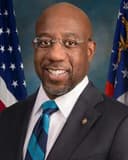
D· Georgia
YRS IN OFFICE
5
BILLS LED
27
COSPONSOR BREAKDOWNBIPARTISAN · 66%
DEM 1 REP 2 IND 0
ACTION TIMELINE
3 EVENTSMAR 19
Committee on Health, Education, Labor, and Pensions. Hearings held.
JUL 17
Introduced in Senate
JUL 17
Read twice and referred to the Committee on Health, Education, Labor, and Pensions.
BILL INFO
TypeSenate Bill
NumberS 2323
Congress119th
StatusIn Committee
IntroducedJul 17, 2025
Last actionMar 19, 2026
READER REACTIONS
OVERALL SENTIMENT
No reactions yet. Be the first to weigh in.
Discussion
Loading comments...
IN COMMITTEE· 119TH CONGRESS · HEALTH, EDUCATION, LABOR, AND PENSIONS COMMITTEE · INTRODUCED JUL 17, 2025
Senate BillS 2323Vocational and technical educationPreschool education
HEADWAY Act
INTRODUCED JUL 17, 2025· LAST ACTION MAR 19, 2026
PASSAGE CHANCES
—%
READING
2 min
COSPONSORS
3
COMPLEXITY
Moderate