Bills · S 228
IN COMMITTEE· 119TH CONGRESS
Senate BillS 228Disaster relief and insuranceAgricultural insurance
Acequia Communities Empowered by Qualifying Upgrades for Infrastructure Act
INTRO JAN 23· LAST ACTION JAN 23
READING
5MIN
COSPONSORS
1
READER REACTIONS0 TOTAL
NO VOTES YET · BE THE FIRST
- Introduced only
LEGISLATIVE PROGRESS
STEP 2 / 8Introduced
In Committee
Reported
Passed Senate
Passed House
Conference
To President
Became Law
WHAT THE BILL DOES
AI-writtenThis bill matters because it directly addresses the challenges faced by traditional acequia communities, which are vital for local food production and cultural heritage, especially in arid regions. If this bill becomes law, farmers relying on acequias would have a more secure safety net against crop losses caused by drought and other disasters, potentially preventing farms from failing and ensuring a more stable local food supply. It also simplifies the process for maintaining these centuries-old water systems, allowing communities to efficiently manage their water without unnecessary federal paperwork.
Without this bill, acequia farmers might continue to struggle to access adequate federal disaster assistance, making them more vulnerable to economic hardship during periods of drought. The existing permit requirements could also delay or complicate essential maintenance, leading to less efficient water delivery and greater costs. By streamlining support and maintenance, the bill helps preserve a unique, sustainable irrigation method and the communities it supports, which is crucial as climate change intensifies drought conditions.
KEY PROVISIONS
4AI-extractedPROVISION 01
Ensures producers who rely on acequia systems receive full assistance for all losses under the noninsured crop disaster assistance program due to drought or other causes.
This provides a stronger financial safety net for acequia farmers against crop failures caused by natural disasters, helping them recover more fully.
PROVISION 02
Prohibits the requirement of a special use permit for the presence or use of an acequia on federal land or for the use of its water.
This reduces administrative burden and formalizes the right for acequias to exist and operate on federal land without specific permits.
PROVISION 03
Eliminates the need for a special use permit for routine maintenance and minor improvements of acequias on federal land.
This streamlines essential upkeep and repairs, allowing acequia communities to maintain their critical water infrastructure more efficiently and without federal red tape.
PROVISION 04
Requires the Department of Agriculture to submit a report within two years on acequia systems, including the number of users, assistance provided, and access to other federal programs.
This provides valuable data to understand the needs of acequia communities and evaluate the effectiveness of current and future federal support.
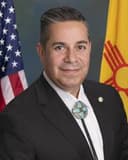
SPONSORSHIP
1 + 1
D· New Mexico
YRS IN OFFICE
17
BILLS LED
86
COSPONSOR BREAKDOWNBIPARTISAN · 0%
DEM 0 REP 1 IND 0
ACTION TIMELINE
2 EVENTSJAN 23
Introduced in Senate
JAN 23
Read twice and referred to the Committee on Agriculture, Nutrition, and Forestry.
BILL INFO
TypeSenate Bill
NumberS 228
Congress119th
StatusIn Committee
IntroducedJan 23, 2025
Last actionJan 23, 2025
READER REACTIONS
OVERALL SENTIMENT
No reactions yet. Be the first to weigh in.
Discussion
Loading comments...
IN COMMITTEE· 119TH CONGRESS · AGRICULTURE, NUTRITION, AND FORESTRY COMMITTEE · INTRODUCED JAN 23, 2025
Senate BillS 228Disaster relief and insuranceAgricultural insurance
Acequia Communities Empowered by Qualifying Upgrades for Infrastructure Act
INTRODUCED JAN 23, 2025· LAST ACTION JAN 23, 2025
PASSAGE CHANCES
—%
READING
5 min
COSPONSORS
1
COMPLEXITY
Moderate