Bills · S 227
IN COMMITTEE· 119TH CONGRESS
Senate BillS 227Racial and ethnic relationsCivics education
PEACE Act of 2025
INTRO JAN 23· LAST ACTION JAN 23
READING
3MIN
COSPONSORS
3
READER REACTIONS0 TOTAL
NO VOTES YET · BE THE FIRST
- Introduced only
LEGISLATIVE PROGRESS
STEP 2 / 8Introduced
In Committee
Reported
Passed Senate
Passed House
Conference
To President
Became Law
WHAT THE BILL DOES
AI-writtenThis bill matters because it steps into the ongoing national debate about how American history and civics, especially topics related to race and racism, are taught in schools. If this bill becomes law, it would set specific boundaries on what can be taught with federal money, potentially influencing curriculum development nationwide for subjects like history and civics. Schools and teachers would need to be careful that their lessons don't cross these lines, which could lead to changes in textbooks, lesson plans, and classroom discussions.
For voters, this means a federal law would dictate how certain sensitive topics are handled in classrooms that receive federal funding. If the bill doesn't pass, decisions about what constitutes a "divisive concept" and how to address race in history and civics would largely remain at the state and local levels, or within the purview of the Department of Education's regulatory process without a direct statutory prohibition.
KEY PROVISIONS
5AI-extractedPROVISION 01
Prohibits the use of federal funds for American History and Civics Education programs for curriculum, teaching, or counseling that promotes or compels "divisive concepts."
This provision directly restricts how federal money for these educational programs can be spent, influencing content taught in classrooms.
PROVISION 02
Defines "divisive concept" to include race stereotyping or race scapegoating.
This sets a clear standard for what types of content related to race are not permitted to be funded by these federal programs.
PROVISION 03
Lists specific concepts considered "divisive," such as teaching that the United States is fundamentally racist, that individuals are inherently racist by virtue of their race, or that an individual should feel discomfort or guilt based on their race.
These detailed examples provide specific guidance to educators and school administrators on what kinds of teachings are prohibited.
PROVISION 04
Defines "race scapegoating" as assigning fault, blame, or bias to a race, or to members of a race because of their race.
This definition further clarifies the types of discussions and lessons about race that would not be eligible for federal funding.
PROVISION 05
Defines "race stereotyping" as ascribing character traits, values, or beliefs to a race, or to an individual because of their race.
This definition aims to prevent generalization about racial groups in federally funded educational materials.
SPONSORSHIP
1 + 3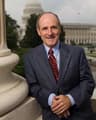
R· Idaho
YRS IN OFFICE
17
BILLS LED
61
COSPONSOR BREAKDOWNBIPARTISAN · 0%
DEM 0 REP 3 IND 0
ACTION TIMELINE
2 EVENTSJAN 23
Introduced in Senate
JAN 23
Read twice and referred to the Committee on Health, Education, Labor, and Pensions.
BILL INFO
TypeSenate Bill
NumberS 227
Congress119th
StatusIn Committee
IntroducedJan 23, 2025
Last actionJan 23, 2025
READER REACTIONS
OVERALL SENTIMENT
No reactions yet. Be the first to weigh in.
Discussion
Loading comments...
IN COMMITTEE· 119TH CONGRESS · HEALTH, EDUCATION, LABOR, AND PENSIONS COMMITTEE · INTRODUCED JAN 23, 2025
Senate BillS 227Racial and ethnic relationsCivics education
PEACE Act of 2025
INTRODUCED JAN 23, 2025· LAST ACTION JAN 23, 2025
PASSAGE CHANCES
—%
READING
3 min
COSPONSORS
3
COMPLEXITY
Moderate