Bills · S 2267
IN COMMITTEE· 119TH CONGRESS
Senate BillS 2267Labor standardsPersonnel records
Ensuring Workers Get PAID Act of 2025
INTRO JUL 14· LAST ACTION JUL 14
READING
13MIN
COSPONSORS
2
READER REACTIONS0 TOTAL
NO VOTES YET · BE THE FIRST
- Introduced only
LEGISLATIVE PROGRESS
STEP 2 / 8Introduced
In Committee
Reported
Passed Senate
Passed House
Conference
To President
Became Law
WHAT THE BILL DOES
AI-writtenThis bill matters because it changes how certain wage violations could be resolved, offering an alternative to the often lengthy and costly processes of government investigations or private lawsuits. If it becomes law, it could lead to quicker resolutions for some workers to receive owed wages, potentially freeing up Department of Labor resources.
For employers, it offers a pathway to proactive compliance and a way to avoid more severe penalties for unintentional errors. However, voters should also consider the implications for employee rights, as participation requires workers to release their claims. The bill's success hinges on whether it genuinely encourages fair and timely compensation for workers while also promoting employer compliance with labor laws.
KEY PROVISIONS
4AI-extractedPROVISION 01
Establishes a permanent Payroll Audit Independent Determination (PAID) program within the Department of Labor.
This formalizes a voluntary program allowing employers to address unintentional wage violations, creating a consistent alternative to traditional enforcement.
PROVISION 02
Allows employers to conduct self-audits and voluntarily remedy unpaid minimum wages or overtime without being under active investigation or lawsuit.
It encourages employers to proactively identify and correct errors, potentially speeding up back wage payments to employees.
PROVISION 03
Requires employees to release claims against the employer for the specific violations resolved through the program once they accept back wages.
This provision impacts employee legal rights, exchanging quicker payment for foregoing future litigation on those specific issues.
PROVISION 04
Mandates the Administrator of the Wage and Hour Division to provide resources for employer compliance assistance.
Aims to prevent violations by offering educational materials and outreach to help employers understand and adhere to the Fair Labor Standards Act.
SPONSORSHIP
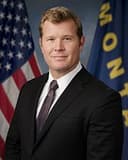
1 + 2
R· Montana
YRS IN OFFICE
1
BILLS LED
77
COSPONSOR BREAKDOWNBIPARTISAN · 0%
DEM 0 REP 2 IND 0
ACTION TIMELINE
2 EVENTSJUL 14
Introduced in Senate
JUL 14
Read twice and referred to the Committee on Health, Education, Labor, and Pensions.
BILL INFO
TypeSenate Bill
NumberS 2267
Congress119th
StatusIn Committee
IntroducedJul 14, 2025
Last actionJul 14, 2025
READER REACTIONS
OVERALL SENTIMENT
No reactions yet. Be the first to weigh in.
Discussion
Loading comments...
IN COMMITTEE· 119TH CONGRESS · HEALTH, EDUCATION, LABOR, AND PENSIONS COMMITTEE · INTRODUCED JUL 14, 2025
Senate BillS 2267Labor standardsPersonnel records
Ensuring Workers Get PAID Act of 2025
INTRODUCED JUL 14, 2025· LAST ACTION JUL 14, 2025
PASSAGE CHANCES
—%
READING
13 min
COSPONSORS
2
COMPLEXITY
Moderate