Bills · S 2182
IN COMMITTEE· 119TH CONGRESS
Senate BillS 2182Energy
Community Solar Consumer Choice Act of 2025
INTRO JUN 26· LAST ACTION JUN 26
READING
7MIN
COSPONSORS
0
READER REACTIONS0 TOTAL
NO VOTES YET · BE THE FIRST
- Introduced only
LEGISLATIVE PROGRESS
STEP 2 / 8Introduced
In Committee
Reported
Passed Senate
Passed House
Conference
To President
Became Law
WHAT THE BILL DOES
AI-writtenThis bill matters because it aims to broaden access to clean energy for millions of Americans who currently cannot install solar panels on their own properties. By requiring utilities to offer community solar programs and providing federal support, it could significantly increase the number of people benefiting from renewable energy, potentially leading to lower electricity costs and greater energy independence. If this bill becomes law, more communities would have pathways to invest in local clean energy, contributing to environmental goals and creating local jobs in the solar sector. If it doesn't pass, access to community solar might remain limited in many areas, disproportionately affecting renters and low-income households, and slowing the transition to renewable energy for a broader segment of the population.
KEY PROVISIONS
4AI-extractedPROVISION 01
Requires the Secretary of Energy to establish a Community Solar Consumer Choice Program to increase access to community solar.
This creates a dedicated federal effort to support and expand community solar options for various groups.
PROVISION 02
Mandates that non-Tribal electric utilities offer a community solar program that provides equitable access to all ratepayers, including low-income individuals.
This provision ensures that most utility customers across the nation will have a community solar option available to them.
PROVISION 03
Directs the Department of Energy to provide technical assistance and help develop new financial and business models for community solar, including affordable rate structures.
This support can help overcome common barriers to setting up community solar projects and make them more accessible and affordable.
PROVISION 04
Sets timelines for State regulatory authorities and non-regulated electric utilities to consider and make determinations on the new community solar standard.
These deadlines push states and utilities to act relatively quickly on implementing the new community solar requirements.
SPONSORSHIP
1 + 0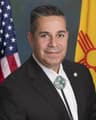
D· New Mexico
YRS IN OFFICE
17
BILLS LED
86
ACTION TIMELINE
2 EVENTSJUN 26
Introduced in Senate
JUN 26
Read twice and referred to the Committee on Energy and Natural Resources.
BILL INFO
TypeSenate Bill
NumberS 2182
Congress119th
StatusIn Committee
IntroducedJun 26, 2025
Last actionJun 26, 2025
READER REACTIONS
OVERALL SENTIMENT
No reactions yet. Be the first to weigh in.
Discussion
Loading comments...
IN COMMITTEE· 119TH CONGRESS · ENERGY AND NATURAL RESOURCES COMMITTEE · INTRODUCED JUN 26, 2025
Senate BillS 2182Energy
Community Solar Consumer Choice Act of 2025
INTRODUCED JUN 26, 2025· LAST ACTION JUN 26, 2025
PASSAGE CHANCES
—%
READING
7 min
COSPONSORS
0
COMPLEXITY
Moderate