Bills · S 2161
IN COMMITTEE· 119TH CONGRESS
Senate BillS 2161Transportation and Public Works
NRC Office of Public Engagement and Participation Act of 2025
INTRO JUN 25· LAST ACTION JUN 25
READING
10MIN
COSPONSORS
1
READER REACTIONS0 TOTAL
NO VOTES YET · BE THE FIRST
- Introduced only
LEGISLATIVE PROGRESS
STEP 2 / 8Introduced
In Committee
Reported
Passed Senate
Passed House
Conference
To President
Became Law
WHAT THE BILL DOES
AI-writtenThis bill matters because the Nuclear Regulatory Commission makes critical decisions that affect public safety and the environment, such as licensing new reactors, overseeing existing ones, and managing nuclear waste. These decisions can have long-term impacts on communities. If this bill becomes law, it could significantly empower the public, especially those in communities directly impacted by nuclear facilities, to participate more effectively in these vital processes. Currently, navigating complex regulatory procedures and affording legal or expert assistance can be a huge barrier for ordinary citizens.
By creating a dedicated office to provide guidance, resources, and coordinate financial assistance, the bill aims to level the playing field, ensuring that more diverse voices and perspectives are heard during NRC proceedings. Without this bill, public participation might remain limited to well-resourced organizations, potentially leading to decisions made without comprehensive input from affected communities. Its focus on environmental justice recommendations also ties into current efforts to address disproportionate impacts on vulnerable populations.
KEY PROVISIONS
5AI-extractedPROVISION 01
Establishes an Office of Public Engagement and Participation within the Nuclear Regulatory Commission (NRC).
Creates a dedicated body to support public involvement in critical nuclear safety decisions.
PROVISION 02
The Office will provide educational and technical guidance to the public on how to participate in NRC proceedings, including submitting comments and hearing requests.
Makes complex regulatory processes more accessible and understandable for everyday citizens.
PROVISION 03
The Office will coordinate financial assistance for participants who demonstrate significant financial hardship and can make a substantial contribution to a proceeding.
Helps overcome financial barriers, allowing more diverse voices to be heard in important nuclear safety debates.
PROVISION 04
Increases opportunities for virtual attendance and participation in Commission meetings and proceedings.
Improves accessibility for individuals and groups who might face geographic or logistical challenges.
PROVISION 05
Facilitates the implementation of NRC recommendations related to environmental justice.
Ensures the Commission actively considers and addresses environmental justice concerns in its operations and decisions.
SPONSORSHIP
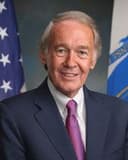
1 + 1
D· Massachusetts
YRS IN OFFICE
51
BILLS LED
164
COSPONSOR BREAKDOWNBIPARTISAN · 0%
DEM 1 REP 0 IND 0
ACTION TIMELINE
2 EVENTSJUN 25
Introduced in Senate
JUN 25
Read twice and referred to the Committee on Environment and Public Works.
BILL INFO
TypeSenate Bill
NumberS 2161
Congress119th
StatusIn Committee
IntroducedJun 25, 2025
Last actionJun 25, 2025
READER REACTIONS
OVERALL SENTIMENT
No reactions yet. Be the first to weigh in.
Discussion
Loading comments...
IN COMMITTEE· 119TH CONGRESS · ENVIRONMENT AND PUBLIC WORKS COMMITTEE · INTRODUCED JUN 25, 2025
Senate BillS 2161Transportation and Public Works
NRC Office of Public Engagement and Participation Act of 2025
INTRODUCED JUN 25, 2025· LAST ACTION JUN 25, 2025
PASSAGE CHANCES
—%
READING
10 min
COSPONSORS
1
COMPLEXITY
Moderate