Bills · S 2143
IN COMMITTEE· 119TH CONGRESS
Senate BillS 2143Government Operations and Politics
Curbing Officials' Income and Nondisclosure (COIN) Act
INTRO JUN 23· LAST ACTION JUN 23
READING
13MIN
COSPONSORS
10
READER REACTIONS0 TOTAL
NO VOTES YET · BE THE FIRST
- Introduced only
LEGISLATIVE PROGRESS
STEP 2 / 8Introduced
In Committee
Reported
Passed Senate
Passed House
Conference
To President
Became Law
WHAT THE BILL DOES
AI-writtenThis bill matters because it addresses concerns about potential conflicts of interest and financial exploitation by public officials in the rapidly evolving digital asset market. If this bill becomes law, it would aim to increase public trust by ensuring that officials cannot use insider information or their public platform to personally profit from or manipulate the volatile cryptocurrency and digital asset markets. Voters should care because it could create a more level playing field and prevent situations where officials' financial interests in digital assets might influence their policy decisions.
Without this law, there's a risk that officials or their family members could benefit financially from policy decisions they make or information they have access to regarding digital assets, eroding public confidence in government integrity. By enacting these prohibitions, the bill seeks to proactively close potential loopholes in existing ethics regulations and uphold the principle that public service should not be used for personal financial gain, particularly in speculative markets.
KEY PROVISIONS
4AI-extractedPROVISION 01
Bans public officials and their immediate family members from engaging in specific digital asset transactions, including cryptocurrencies, NFTs, meme coins, and stablecoins.
This directly targets potential conflicts of interest and financial exploitation within the rapidly growing digital asset market.
PROVISION 02
The prohibition on these transactions applies during the official's term of service, 180 days before service begins, and for two years after service ends.
This extended timeframe aims to prevent officials from profiting from knowledge or influence gained immediately before or after their public service.
PROVISION 03
Establishes civil penalties for knowingly violating the prohibitions, including fines up to $25,000 per violation, a percentage of the asset's value, or the financial gain, whichever is greater, plus disgorgement of profits.
These penalties provide a strong deterrent against unethical financial dealings and ensure that ill-gotten gains are returned.
PROVISION 04
Defines "prohibited financial transaction" to include issuing, sponsoring, or endorsing digital assets, as well as acquiring similar interests through synthetic means (like derivatives) or concentrated funds.
This broad definition attempts to cover various ways officials might try to profit from digital assets, preventing circumvention of the rules.
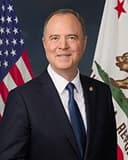
SPONSORSHIP
1 + 10
D· California
YRS IN OFFICE
25
BILLS LED
97
COSPONSOR BREAKDOWNBIPARTISAN · 0%
DEM 10 REP 0 IND 0
ACTION TIMELINE
2 EVENTSJUN 23
Introduced in Senate
JUN 23
Read twice and referred to the Committee on Homeland Security and Governmental Affairs.
BILL INFO
TypeSenate Bill
NumberS 2143
Congress119th
StatusIn Committee
IntroducedJun 23, 2025
Last actionJun 23, 2025
READER REACTIONS
OVERALL SENTIMENT
No reactions yet. Be the first to weigh in.
Discussion
Loading comments...
IN COMMITTEE· 119TH CONGRESS · HOMELAND SECURITY AND GOVERNMENTAL AFFAIRS COMMITTEE · INTRODUCED JUN 23, 2025
Senate BillS 2143Government Operations and Politics
Curbing Officials' Income and Nondisclosure (COIN) Act
INTRODUCED JUN 23, 2025· LAST ACTION JUN 23, 2025
PASSAGE CHANCES
—%
READING
13 min
COSPONSORS
10
COMPLEXITY
Moderate