Bills · S 2115
IN COMMITTEE· 119TH CONGRESS
Senate BillS 2115Crime and Law Enforcement
Safe and Open Streets Act
INTRO JUN 18· LAST ACTION JUN 18
READING
2MIN
COSPONSORS
4
READER REACTIONS0 TOTAL
NO VOTES YET · BE THE FIRST
- Introduced only
LEGISLATIVE PROGRESS
STEP 2 / 8Introduced
In Committee
Reported
Passed Senate
Passed House
Conference
To President
Became Law
WHAT THE BILL DOES
AI-writtenVoters should care about this bill because it introduces significant new federal penalties for actions often associated with protests. If this bill becomes law, it could change how demonstrations are organized and conducted, especially those that involve disrupting traffic or transportation networks. It aims to ensure smoother flow of goods and people, which proponents say benefits the economy and public safety. However, opponents might argue it could restrict free speech and the ability of citizens to draw attention to causes through public demonstrations. Without this law, blocking roads might still be illegal under state or local laws, but it wouldn't carry these specific federal criminal penalties.
KEY PROVISIONS
3AI-extractedPROVISION 01
Establishes a new federal crime for purposely blocking public roads or highways to obstruct commerce.
This makes certain types of road blockages a federal offense, expanding the scope of federal law enforcement.
PROVISION 02
Imposes a criminal penalty of up to 5 years in prison, a fine, or both, for violating this new law.
This sets a serious consequence for individuals found guilty of the new federal crime.
PROVISION 03
Amends existing federal statutes related to interfering with commerce by removing references to "threats or violence."
This clarifies that the new offense of blocking roads to impact commerce does not require the element of threats or violence to be prosecuted.
SPONSORSHIP
1 + 4
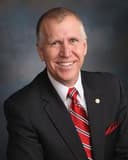
R· North Carolina
YRS IN OFFICE
11
BILLS LED
59
COSPONSOR BREAKDOWNBIPARTISAN · 0%
DEM 0 REP 4 IND 0
ACTION TIMELINE
2 EVENTSJUN 18
Introduced in Senate
JUN 18
Read twice and referred to the Committee on the Judiciary.
BILL INFO
TypeSenate Bill
NumberS 2115
Congress119th
StatusIn Committee
IntroducedJun 18, 2025
Last actionJun 18, 2025
READER REACTIONS
OVERALL SENTIMENT
No reactions yet. Be the first to weigh in.
Discussion
Loading comments...
IN COMMITTEE· 119TH CONGRESS · JUDICIARY COMMITTEE · INTRODUCED JUN 18, 2025
Senate BillS 2115Crime and Law Enforcement
Safe and Open Streets Act
INTRODUCED JUN 18, 2025· LAST ACTION JUN 18, 2025
PASSAGE CHANCES
—%
READING
2 min
COSPONSORS
4
COMPLEXITY
Moderate