Bills · S 2114
IN COMMITTEE· 119TH CONGRESS
Senate BillS 2114Transportation and Public Works
Commercial Motor Vehicle English Proficiency Act
INTRO JUN 18· LAST ACTION JUN 18
READING
3MIN
COSPONSORS
2
READER REACTIONS0 TOTAL
NO VOTES YET · BE THE FIRST
- Introduced only
LEGISLATIVE PROGRESS
STEP 2 / 8Introduced
In Committee
Reported
Passed Senate
Passed House
Conference
To President
Became Law
WHAT THE BILL DOES
AI-writtenVoters should care about this bill because it directly impacts safety on the nation's roads and the workforce of a critical industry. If passed, this law could improve communication between commercial drivers, law enforcement, and other road users, potentially reducing misunderstandings and accidents. It sets a national standard for English proficiency for a job where clear communication is vital for public safety.
However, it could also make it harder for some people to become commercial drivers, potentially shrinking the pool of available drivers at a time when the industry often faces labor shortages. This might lead to increased costs for transportation or slower delivery times for goods. The bill also raises questions about fairness and accessibility for non-English speakers who are otherwise qualified to drive commercial vehicles.
KEY PROVISIONS
4AI-extractedPROVISION 01
Requires individuals to demonstrate English language proficiency to pass a commercial motor vehicle knowledge test or receive certification.
Ensures commercial drivers can communicate and understand information critical for safety in English.
PROVISION 02
Prohibits the administration of commercial motor vehicle knowledge tests in any language other than English.
Establishes English as the sole language for testing, impacting how potential drivers prepare and are assessed.
PROVISION 03
Specifies that English proficiency includes reading traffic signs, communicating with various officials, and providing/receiving feedback and directions in English.
Defines the practical aspects of English ability required for operating commercial vehicles.
PROVISION 04
Mandates the Secretary of Transportation to modify existing regulations to implement these new requirements within two years of the bill's enactment.
Ensures federal regulations are updated to enforce the new English proficiency standards.
SPONSORSHIP
1 + 2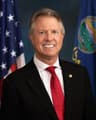
R· Kansas
YRS IN OFFICE
9
BILLS LED
73
COSPONSOR BREAKDOWNBIPARTISAN · 0%
DEM 0 REP 2 IND 0
ACTION TIMELINE
2 EVENTSJUN 18
Introduced in Senate
JUN 18
Read twice and referred to the Committee on Commerce, Science, and Transportation.
BILL INFO
TypeSenate Bill
NumberS 2114
Congress119th
StatusIn Committee
IntroducedJun 18, 2025
Last actionJun 18, 2025
READER REACTIONS
OVERALL SENTIMENT
No reactions yet. Be the first to weigh in.
Discussion
Loading comments...
IN COMMITTEE· 119TH CONGRESS · COMMERCE, SCIENCE, AND TRANSPORTATION COMMITTEE · INTRODUCED JUN 18, 2025
Senate BillS 2114Transportation and Public Works
Commercial Motor Vehicle English Proficiency Act
INTRODUCED JUN 18, 2025· LAST ACTION JUN 18, 2025
PASSAGE CHANCES
—%
READING
3 min
COSPONSORS
2
COMPLEXITY
Moderate