Bills · S 1942
IN COMMITTEE· 119TH CONGRESS
Senate BillS 1942Public Lands and Natural Resources
Malheur Community Empowerment for the Owyhee Act
INTRO JUN 4· LAST ACTION JUN 4
READING
30MIN
COSPONSORS
1
READER REACTIONS0 TOTAL
NO VOTES YET · BE THE FIRST
- Introduced only
LEGISLATIVE PROGRESS
STEP 2 / 8Introduced
In Committee
Reported
Passed Senate
Passed House
Conference
To President
Became Law
WHAT THE BILL DOES
AI-writtenThis bill matters because it changes how federal lands are managed for grazing in a specific part of Oregon. If it becomes law, ranchers would have more say and more immediate ability to respond to environmental changes, which proponents argue could make grazing more sustainable and help the land stay healthy. For example, if a severe drought hits, ranchers could quickly adjust where and when their animals graze to avoid overstressing sensitive areas, rather than being bound by rigid permit terms.
Without this bill, ranchers in Malheur County would continue to operate under existing regulations, which may offer less immediate flexibility to adapt to conditions like drought or fire. This bill aims to improve the "long-term ecological health" of federal lands by allowing grazing practices to be more responsive to nature's unpredictable changes, potentially leading to better land conditions and more resilient ecosystems in the region.
KEY PROVISIONS
5AI-extractedPROVISION 01
Establishes the Malheur County Grazing Management Program on federal lands in Malheur County, Oregon.
This creates a formal framework for new grazing practices focused on flexibility and land health.
PROVISION 02
Requires the Secretary of the Interior to offer grazing permittees and lessees increased operational flexibility to improve long-term ecological health.
This gives ranchers more options to adapt their grazing based on real-time environmental conditions.
PROVISION 03
Allows specific variances to existing grazing permits for temporary conditions (e.g., weather, drought, fire), including adjustments to grazing season dates, pasture rotation, and water structure placement.
These immediate adjustments can help protect land health and provide practical relief to ranchers during adverse conditions.
PROVISION 04
Mandates the development and adoption of cooperative rangeland monitoring plans and health objectives to evaluate the effectiveness of the program and guide adjustments.
This ensures that decisions about grazing flexibility are based on scientific data and track improvements or degradations to land health.
PROVISION 05
Requires consultation with grazing permittees, federal and state agencies, tribal governments, local landowners, and the public when developing flexible grazing alternatives and monitoring plans.
This promotes a collaborative approach to land management, incorporating diverse perspectives and local knowledge.
SPONSORSHIP
1 + 1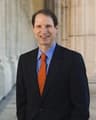
D· Oregon
YRS IN OFFICE
45
BILLS LED
95
COSPONSOR BREAKDOWNBIPARTISAN · 0%
DEM 1 REP 0 IND 0
ACTION TIMELINE
2 EVENTSJUN 4
Introduced in Senate
JUN 4
Read twice and referred to the Committee on Energy and Natural Resources.
BILL INFO
TypeSenate Bill
NumberS 1942
Congress119th
StatusIn Committee
IntroducedJun 4, 2025
Last actionJun 4, 2025
READER REACTIONS
OVERALL SENTIMENT
No reactions yet. Be the first to weigh in.
Discussion
Loading comments...
IN COMMITTEE· 119TH CONGRESS · ENERGY AND NATURAL RESOURCES COMMITTEE · INTRODUCED JUN 4, 2025
Senate BillS 1942Public Lands and Natural Resources
Malheur Community Empowerment for the Owyhee Act
INTRODUCED JUN 4, 2025· LAST ACTION JUN 4, 2025
PASSAGE CHANCES
—%
READING
30 min
COSPONSORS
1
COMPLEXITY
Moderate