Bills · S 1848
IN COMMITTEE· 119TH CONGRESS
Senate BillS 1848Agriculture and Food
Opportunities for Fairness in Farming Act of 2025
INTRO MAY 21· LAST ACTION MAY 21
READING
8MIN
COSPONSORS
4BIPARTISAN
READER REACTIONS0 TOTAL
NO VOTES YET · BE THE FIRST
- Introduced only
LEGISLATIVE PROGRESS
STEP 2 / 8Introduced
In Committee
Reported
Passed Senate
Passed House
Conference
To President
Became Law
WHAT THE BILL DOES
AI-writtenThis bill matters because it tackles long-standing concerns about transparency and accountability in agricultural "checkoff programs," which collect hundreds of millions of dollars annually from farmers. These mandatory fees are meant to generically promote products like milk or beef and fund research, but critics have often alleged that funds are misused for lobbying or to benefit specific, powerful industry groups, rather than all farmers equally.
If this bill becomes law, it would bring stricter rules and much greater transparency to how these funds are managed, potentially restoring farmer confidence that their mandatory contributions are serving their collective best interests. If it doesn't pass, the current system, which some argue lacks sufficient oversight and is prone to conflicts of interest, could continue. This bill connects to fundamental issues of fairness, competition, and public trust within a crucial sector of the American economy, impacting both producers and the markets that supply consumers with food.
KEY PROVISIONS
3AI-extractedPROVISION 01
Prohibits checkoff programs with over $20 million in annual revenue from contracting with groups that lobby or influence agricultural government policy.
This ensures that checkoff funds, collected for generic promotion, are not indirectly used for political advocacy.
PROVISION 02
Bans checkoff boards and their employees from having financial conflicts of interest, engaging in anticompetitive activities, or disparaging other agricultural commodities.
This aims to prevent favoritism and ensure fair market practices within the agricultural industry.
PROVISION 03
Requires all entities contracting with a checkoff program to provide quarterly financial records, which the checkoff board must then publish publicly within 30 days.
This significantly increases transparency in how checkoff funds are spent, allowing public oversight.
SPONSORSHIP
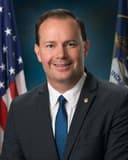
1 + 4
R· Utah
YRS IN OFFICE
15
BILLS LED
138
COSPONSOR BREAKDOWNBIPARTISAN · 50%
DEM 3 REP 1 IND 0
ACTION TIMELINE
2 EVENTSMAY 21
Introduced in Senate
MAY 21
Read twice and referred to the Committee on Agriculture, Nutrition, and Forestry.
BILL INFO
TypeSenate Bill
NumberS 1848
Congress119th
StatusIn Committee
IntroducedMay 21, 2025
Last actionMay 21, 2025
READER REACTIONS
OVERALL SENTIMENT
No reactions yet. Be the first to weigh in.
Discussion
Loading comments...
IN COMMITTEE· 119TH CONGRESS · AGRICULTURE, NUTRITION, AND FORESTRY COMMITTEE · INTRODUCED MAY 21, 2025
Senate BillS 1848Agriculture and Food
Opportunities for Fairness in Farming Act of 2025
INTRODUCED MAY 21, 2025· LAST ACTION MAY 21, 2025
PASSAGE CHANCES
—%
READING
8 min
COSPONSORS
4
COMPLEXITY
Moderate