Bills · S 1795
IN COMMITTEE· 119TH CONGRESS
Senate BillS 1795Educational facilities and institutionsEducation programs funding
Empower Charter School Educators to Lead Act
INTRO MAY 15· LAST ACTION MAY 15
READING
3MIN
COSPONSORS
5BIPARTISAN
READER REACTIONS0 TOTAL
NO VOTES YET · BE THE FIRST
- Introduced only
LEGISLATIVE PROGRESS
STEP 2 / 8Introduced
In Committee
Reported
Passed Senate
Passed House
Conference
To President
Became Law
WHAT THE BILL DOES
AI-writtenThis bill matters because it aims to change who starts and runs charter schools, potentially leading to more schools led by veteran educators. By providing upfront financial support and help with facilities, it tackles two of the biggest hurdles for new schools, which could lead to an increase in the number of charter schools available to students.
Voters should care because it reallocates federal education funds and seeks to improve the financial health and accountability of charter schools through enhanced state oversight. If this bill becomes law, it could mean more choices for families seeking alternative education options and potentially more financially sound charter schools. If it doesn't pass, the current system of funding and support for charter school development, without the specific focus on educator-led initiatives and enhanced fiscal oversight, would remain in place.
KEY PROVISIONS
4AI-extractedPROVISION 01
Establishes pre-charter planning subgrants of up to $100,000 for charter school developers led by educators with at least 54 months of school-based experience.
This provision directly supports experienced educators in the early stages of opening new charter schools by providing crucial startup funding.
PROVISION 02
Allows states to create revolving loan funds or similar mechanisms to cover pre-opening expenses for eligible applicants and to assist with locating and accessing facilities.
This provision addresses common financial and logistical barriers faced by new charter schools before they begin operations.
PROVISION 03
Requires states to work with authorized public chartering agencies to improve their authorizing quality, specifically focusing on developing capacity for fiscal oversight and auditing of charter schools.
This provision aims to strengthen accountability and financial management practices within the charter school sector.
PROVISION 04
Adjusts the allocation of federal grant funds, reducing the percentage for direct subgrants to charter schools from 90% to 80% and reserving up to 5% for the new pre-charter planning subgrants.
This provision shifts federal funding priorities to support early-stage development and oversight activities, rather than solely direct operational funding.
SPONSORSHIP
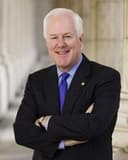
1 + 5
R· Texas
YRS IN OFFICE
23
BILLS LED
137
COSPONSOR BREAKDOWNBIPARTISAN · 80%
DEM 2 REP 3 IND 0
ACTION TIMELINE
2 EVENTSMAY 15
Introduced in Senate
MAY 15
Read twice and referred to the Committee on Health, Education, Labor, and Pensions.
BILL INFO
TypeSenate Bill
NumberS 1795
Congress119th
StatusIn Committee
IntroducedMay 15, 2025
Last actionMay 15, 2025
READER REACTIONS
OVERALL SENTIMENT
No reactions yet. Be the first to weigh in.
Discussion
Loading comments...
IN COMMITTEE· 119TH CONGRESS · HEALTH, EDUCATION, LABOR, AND PENSIONS COMMITTEE · INTRODUCED MAY 15, 2025
Senate BillS 1795Educational facilities and institutionsEducation programs funding
Empower Charter School Educators to Lead Act
INTRODUCED MAY 15, 2025· LAST ACTION MAY 15, 2025
PASSAGE CHANCES
—%
READING
3 min
COSPONSORS
5
COMPLEXITY
Moderate