Bills · S 1734
IN COMMITTEE· 119TH CONGRESS
Senate BillS 1734Crime and Law Enforcement
Justice for Angel Families Act
INTRO MAY 13· LAST ACTION MAY 13
READING
5MIN
COSPONSORS
3
READER REACTIONS0 TOTAL
NO VOTES YET · BE THE FIRST
- Introduced only
LEGISLATIVE PROGRESS
STEP 2 / 8Introduced
In Committee
Reported
Passed Senate
Passed House
Conference
To President
Became Law
WHAT THE BILL DOES
AI-writtenThis bill matters because it changes who qualifies for victim compensation and how they receive support, specifically focusing on victims of crimes committed by certain populations. If this bill becomes law, "angel families" would have a clearer path to financial aid for a broader set of damages, including emotional distress, potentially offering more comprehensive support than currently available to many other crime victims. This could provide significant relief to families dealing with tragic loss and its aftermath.
Also, the creation of the VOICE Office means there would be a centralized resource dedicated to helping victims of crimes committed by unlawfully present individuals. This could streamline access to information and support services that might otherwise be difficult to navigate. If the bill does not become law, these specific groups of victims would not receive the expanded compensation eligibility or the dedicated support office outlined in the bill, meaning they would continue to rely on existing victim services, which may not cover emotional distress as broadly or offer specialized support related to the perpetrator's immigration status.
KEY PROVISIONS
5AI-extractedPROVISION 01
Expands eligibility for state victim compensation programs to include "angel families," defined as immediate family members of individuals killed by unlawfully present aliens or international drug cartel members.
This provision creates a new category of beneficiaries for victim compensation, providing specific financial support to families affected by particular types of homicides.
PROVISION 02
Allows "angel families" to receive compensation for medical expenses related to any injury (including mental health), loss of wages due to emotional distress, and funeral expenses.
This broadens the types of harm and expenses covered for "angel families" beyond typical physical injury requirements for other victims, offering more comprehensive aid.
PROVISION 03
Establishes the Victims of Immigration Crime Engagement (VOICE) Office within the Department of Homeland Security.
This creates a dedicated federal entity focused solely on providing proactive support and services to victims of crimes committed by unlawfully present individuals.
PROVISION 04
Mandates the VOICE Office to create a hotline, provide information on immigration enforcement, refer to social services, offer custody status updates, and share perpetrator history to victims of crimes committed by unlawfully present aliens.
These services aim to provide direct, tailored support and information to a specific group of crime victims who may face unique challenges.
PROVISION 05
Requires the VOICE Office to submit annual reports to Congress detailing the impact of crimes committed by unlawfully present aliens, including demographics, crime types, and locations.
This provision aims to collect and publicize specific data on crimes committed by unlawfully present individuals, which could inform future policy decisions.
SPONSORSHIP
1 + 3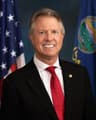
R· Kansas
YRS IN OFFICE
9
BILLS LED
73
COSPONSOR BREAKDOWNBIPARTISAN · 0%
DEM 0 REP 3 IND 0
ACTION TIMELINE
2 EVENTSMAY 13
Introduced in Senate
MAY 13
Read twice and referred to the Committee on the Judiciary.
BILL INFO
TypeSenate Bill
NumberS 1734
Congress119th
StatusIn Committee
IntroducedMay 13, 2025
Last actionMay 13, 2025
READER REACTIONS
OVERALL SENTIMENT
No reactions yet. Be the first to weigh in.
Discussion
Loading comments...
IN COMMITTEE· 119TH CONGRESS · JUDICIARY COMMITTEE · INTRODUCED MAY 13, 2025
Senate BillS 1734Crime and Law Enforcement
Justice for Angel Families Act
INTRODUCED MAY 13, 2025· LAST ACTION MAY 13, 2025
PASSAGE CHANCES
—%
READING
5 min
COSPONSORS
3
COMPLEXITY
Moderate