Bills · S 1727
IN COMMITTEE· 119TH CONGRESS
Senate BillS 1727Labor and Employment
Employee Ownership Fairness Act of 2025
INTRO MAY 13· LAST ACTION MAY 13
READING
5MIN
COSPONSORS
0
READER REACTIONS0 TOTAL
NO VOTES YET · BE THE FIRST
- Introduced only
LEGISLATIVE PROGRESS
STEP 2 / 8Introduced
In Committee
Reported
Passed Senate
Passed House
Conference
To President
Became Law
WHAT THE BILL DOES
AI-writtenThis bill matters because it addresses a situation where the success of an employee-owned company could inadvertently penalize its employees' retirement savings. Under current rules, if an ESOP grows significantly due to the company's success, that growth can count towards an individual's overall retirement contribution limits, limiting their ability to save more in other retirement accounts like 401(k)s.
If this bill becomes law, employees in ESOP companies would no longer face this trade-off. They could fully benefit from their company ownership through the ESOP and still maximize their contributions to traditional retirement plans, providing greater retirement security and diversification of assets. If it doesn't become law, this disincentive for ESOP participants to fully utilize other retirement savings vehicles will continue.
KEY PROVISIONS
3AI-extractedPROVISION 01
Excludes certain ESOP contributions from federal retirement contribution limits.
This prevents the growth or funding of an employee's company ownership shares from reducing their ability to save in other retirement accounts.
PROVISION 02
Requires federal retirement contribution limits to be applied separately to ESOPs and other defined contribution plans (like 401(k)s).
This ensures employees can fully maximize savings in both their company ownership plan and traditional retirement accounts.
PROVISION 03
Excludes forfeited shares reallocated within an ESOP from counting towards annual additions limits.
This ensures that employees receiving reallocated forfeited shares in their ESOP do not have those amounts reduce their ability to contribute to other retirement plans.
SPONSORSHIP
1 + 0
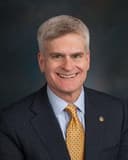
R· Louisiana
YRS IN OFFICE
17
BILLS LED
121
ACTION TIMELINE
2 EVENTSMAY 13
Introduced in Senate
MAY 13
Referred to the Committee on Health, Education, Labor, and Pensions.
BILL INFO
TypeSenate Bill
NumberS 1727
Congress119th
StatusIn Committee
IntroducedMay 13, 2025
Last actionMay 13, 2025
READER REACTIONS
OVERALL SENTIMENT
No reactions yet. Be the first to weigh in.
Discussion
Loading comments...
IN COMMITTEE· 119TH CONGRESS · HEALTH, EDUCATION, LABOR, AND PENSIONS COMMITTEE · INTRODUCED MAY 13, 2025
Senate BillS 1727Labor and Employment
Employee Ownership Fairness Act of 2025
INTRODUCED MAY 13, 2025· LAST ACTION MAY 13, 2025
PASSAGE CHANCES
—%
READING
5 min
COSPONSORS
0
COMPLEXITY
Moderate