Bills · S 1583
IN COMMITTEE· 119TH CONGRESS
Senate BillS 1583International Affairs
AUSSOM Funding Restriction Act of 2025
INTRO MAY 1· LAST ACTION MAY 1
READING
7MIN
COSPONSORS
2
READER REACTIONS0 TOTAL
NO VOTES YET · BE THE FIRST
- Introduced only
LEGISLATIVE PROGRESS
STEP 2 / 8Introduced
In Committee
Reported
Passed Senate
Passed House
Conference
To President
Became Law
WHAT THE BILL DOES
AI-writtenThis bill matters because it changes how the U.S. funds international peacekeeping efforts, particularly in a volatile region like Somalia. If this bill becomes law, U.S. contributions to the African Union's mission in Somalia would no longer flow automatically through the UN's general budget mechanism outlined in Resolution 2719. Instead, any U.S. financial support would need to be either a voluntary donation or specifically approved by Congress, giving U.S. lawmakers more direct control and potentially more scrutiny over how those funds are used.
This shift reflects a debate about "burden-sharing" and accountability in international peacekeeping. Supporters might argue it ensures U.S. funds are spent more efficiently and align with specific U.S. foreign policy goals, or that other nations should contribute more. Opponents might worry that restricting this standard funding mechanism could weaken critical peacekeeping operations by making their funding less reliable, potentially undermining stability in Somalia and affecting international partnerships in addressing global threats. Without this bill, U.S. assessed contributions would continue to be available to fund AUSSOM under the terms of Resolution 2719 if the UN Security Council authorizes it, meaning the U.S. would not have the explicit restriction outlined in this bill.
KEY PROVISIONS
5AI-extractedPROVISION 01
Prohibits the use of U.S. regular payments to the United Nations (assessed contributions) from being used to support the African Union's peacekeeping mission in Somalia (AUSSOM) under a specific UN resolution.
This significantly changes a potential source of funding for a key peacekeeping operation in Somalia, requiring alternative funding methods.
PROVISION 02
Directs the U.S. Ambassador to the United Nations to actively oppose any UN resolutions or agreements that would authorize the prohibited funding for AUSSOM.
This ensures the U.S. takes a strong diplomatic stance against this funding mechanism within the UN.
PROVISION 03
Allows exceptions for certain types of funding, such as voluntary U.S. contributions specifically for AUSSOM, funding for the UN Support Office in Somalia, and humanitarian assistance.
This clarifies that the U.S. can still support Somalia and AUSSOM through other channels, maintaining some flexibility.
PROVISION 04
Requires the Secretary of State to conduct an annual independent assessment of the African Union's ability to meet the conditions for receiving UN assessed contributions.
This introduces a U.S.-specific oversight mechanism to evaluate the performance and compliance of African Union peacekeeping missions.
PROVISION 05
Mandates annual reports from the Secretary of State to Congress on the assessment findings, U.S. peacekeeping contributions, and AUSSOM's performance and funding.
This increases congressional oversight and transparency regarding U.S. funding for peacekeeping and the effectiveness of the AUSSOM mission.
SPONSORSHIP
1 + 2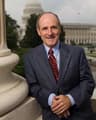
R· Idaho
YRS IN OFFICE
17
BILLS LED
61
COSPONSOR BREAKDOWNBIPARTISAN · 0%
DEM 0 REP 2 IND 0
ACTION TIMELINE
2 EVENTSMAY 1
Introduced in Senate
MAY 1
Read twice and referred to the Committee on Foreign Relations.
BILL INFO
TypeSenate Bill
NumberS 1583
Congress119th
StatusIn Committee
IntroducedMay 1, 2025
Last actionMay 1, 2025
READER REACTIONS
OVERALL SENTIMENT
No reactions yet. Be the first to weigh in.
Discussion
Loading comments...
IN COMMITTEE· 119TH CONGRESS · FOREIGN RELATIONS COMMITTEE · INTRODUCED MAY 1, 2025
Senate BillS 1583International Affairs
AUSSOM Funding Restriction Act of 2025
INTRODUCED MAY 1, 2025· LAST ACTION MAY 1, 2025
PASSAGE CHANCES
—%
READING
7 min
COSPONSORS
2
COMPLEXITY
Moderate