Bills · S 1567
IN COMMITTEE· 119TH CONGRESS
Senate BillS 1567Social Welfare
Jobs and Opportunity with Benefits and Services (JOBS) for Success Act of 2025
INTRO MAY 1· LAST ACTION MAY 1
READING
37MIN
COSPONSORS
0
READER REACTIONS0 TOTAL
NO VOTES YET · BE THE FIRST
- Introduced only
LEGISLATIVE PROGRESS
STEP 2 / 8Introduced
In Committee
Reported
Passed Senate
Passed House
Conference
To President
Became Law
WHAT THE BILL DOES
AI-writtenVoters should care about this bill because it redefines the expectations and conditions for a major federal program designed to help vulnerable families become self-sufficient. If this bill passes, it means that financial aid for low-income families would become more closely tied to active participation in job-seeking activities and regular reporting to state agencies. For families, this could offer more structured support in finding employment and addressing barriers, but also introduces stricter rules for maintaining their benefits.
If the bill does not become law, the existing TANF rules would continue, which may have different work requirements or less stringent accountability measures for states. The proposed changes could lead to fewer families receiving cash assistance if they cannot meet the new work engagement and planning requirements, but supporters believe it could also lead to more people successfully transitioning off welfare into stable employment. Ultimately, it affects how federal welfare dollars are spent and the outcomes achieved for those in need.
KEY PROVISIONS
5AI-extractedPROVISION 01
Extends federal funding for the Temporary Assistance for Needy Families (TANF) program and related grants, including family assistance and healthy marriage initiatives, through fiscal year 2030.
Ensures the continuation of these vital support programs for low-income families and communities for several more years.
PROVISION 02
Requires states to develop personalized "individual opportunity plans" for all work-eligible TANF recipients, outlining work goals, activities, and services, which recipients must sign and adhere to.
Creates a structured, individualized path for recipients to achieve self-sufficiency but also introduces mandatory compliance with specific work-related requirements.
PROVISION 03
Mandates that states reduce benefits for families if a work-eligible individual fails to comply with their signed individual opportunity plan without good cause.
Strengthens accountability for recipients to participate in required work activities by directly linking compliance to continued benefit receipt.
PROVISION 04
Establishes new state performance accountability measures based on the "percentage of employment exits," penalizing states that do not meet minimum levels of helping recipients find unsubsidized jobs within six months.
Shifts the focus to concrete employment outcomes for states, potentially driving more effective welfare-to-work programs but also placing financial risk on states.
PROVISION 05
Requires states to meet with work-eligible individuals every 90 days to review their individual opportunity plan, discuss progress, and update it as needed.
Ensures ongoing support and monitoring for recipients, adapting plans to changing circumstances and maintaining engagement.
SPONSORSHIP
1 + 0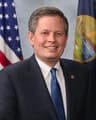
R· Montana
YRS IN OFFICE
13
BILLS LED
65
ACTION TIMELINE
2 EVENTSMAY 1
Introduced in Senate
MAY 1
Read twice and referred to the Committee on Finance.
BILL INFO
TypeSenate Bill
NumberS 1567
Congress119th
StatusIn Committee
IntroducedMay 1, 2025
Last actionMay 1, 2025
READER REACTIONS
OVERALL SENTIMENT
No reactions yet. Be the first to weigh in.
Discussion
Loading comments...
IN COMMITTEE· 119TH CONGRESS · FINANCE COMMITTEE · INTRODUCED MAY 1, 2025
Senate BillS 1567Social Welfare
Jobs and Opportunity with Benefits and Services (JOBS) for Success Act of 2025
INTRODUCED MAY 1, 2025· LAST ACTION MAY 1, 2025
PASSAGE CHANCES
—%
READING
37 min
COSPONSORS
0
COMPLEXITY
Moderate