Bills · S 1417
IN COMMITTEE· 119TH CONGRESS
Senate BillS 1417Administrative law and regulatory proceduresWorker safety and health
Michael Enzi Voluntary Protection Program Act
INTRO APR 10· LAST ACTION APR 10
READING
6MIN
COSPONSORS
1
READER REACTIONS0 TOTAL
NO VOTES YET · BE THE FIRST
- Introduced only
LEGISLATIVE PROGRESS
STEP 2 / 8Introduced
In Committee
Reported
Passed Senate
Passed House
Conference
To President
Became Law
WHAT THE BILL DOES
AI-writtenVoters should care about this bill because it aims to improve workplace safety across the nation without relying solely on traditional enforcement methods. If it becomes law, it provides a structured way for businesses to voluntarily achieve high safety standards, potentially reducing workplace accidents, injuries, and fatalities. For workers, this means a safer environment and greater involvement in safety decisions.
If it doesn't pass, the existing voluntary protection programs might continue without a clear legislative mandate, potentially lacking consistent standards or the explicit directive for technological modernization. This bill seeks to solidify and enhance a program designed to reward proactive safety measures, offering a different approach to worker protection compared to purely regulatory or punitive systems.
KEY PROVISIONS
5AI-extractedPROVISION 01
Establishes the "Michael Enzi Voluntary Protection Program" (VPP) within the Department of Labor, formalizing a program to recognize employers with excellent safety and health management systems.
This makes a long-standing voluntary program permanent and official, ensuring its continued operation and setting clear guidelines.
PROVISION 02
Requires participating employers to implement comprehensive safety measures, conduct regular self-evaluations, involve both management and employees in safety, and provide training.
These requirements ensure that companies participating in the program are actively maintaining high safety standards and not just meeting minimal compliance.
PROVISION 03
Exempts worksites approved for the program from routine, scheduled safety inspections by the Occupational Safety and Health Administration (OSHA).
This provides an incentive for employers to achieve and maintain high safety standards, rewarding proactive behavior with reduced regulatory oversight.
PROVISION 04
Directs the Department of Labor to modernize the technology used to administer the VPP, including the application process and reporting.
Modernizing the program's technology can make it more efficient for both employers to participate and for OSHA to manage.
PROVISION 05
Prohibits the Department of Labor from requiring any payment for an employer to qualify for or participate in the program.
This ensures that the program is accessible to all eligible employers, regardless of their financial resources, encouraging broader participation.
SPONSORSHIP
1 + 1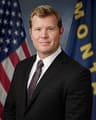
R· Montana
YRS IN OFFICE
1
BILLS LED
77
COSPONSOR BREAKDOWNBIPARTISAN · 0%
DEM 0 REP 1 IND 0
ACTION TIMELINE
2 EVENTSAPR 10
Introduced in Senate
APR 10
Read twice and referred to the Committee on Health, Education, Labor, and Pensions.
BILL INFO
TypeSenate Bill
NumberS 1417
Congress119th
StatusIn Committee
IntroducedApr 10, 2025
Last actionApr 10, 2025
READER REACTIONS
OVERALL SENTIMENT
No reactions yet. Be the first to weigh in.
Discussion
Loading comments...
IN COMMITTEE· 119TH CONGRESS · HEALTH, EDUCATION, LABOR, AND PENSIONS COMMITTEE · INTRODUCED APR 10, 2025
Senate BillS 1417Administrative law and regulatory proceduresWorker safety and health
Michael Enzi Voluntary Protection Program Act
INTRODUCED APR 10, 2025· LAST ACTION APR 10, 2025
PASSAGE CHANCES
—%
READING
6 min
COSPONSORS
1
COMPLEXITY
Moderate