Bills · S 1333
PASSED SENATE· 119TH CONGRESS
Senate BillS 1333Violent crimeSex offenses
Strengthening Child Exploitation Enforcement Act
INTRO APR 8· LAST ACTION OCT 10
READING
5MIN
COSPONSORS
2
READER REACTIONS0 TOTAL
NO VOTES YET · BE THE FIRST
- One chamber only
LEGISLATIVE PROGRESS
STEP 4 / 8Introduced
In Committee
Reported
Passed Senate
Passed House
Conference
To President
Became Law
WHAT THE BILL DOES
AI-writtenVoters should care about this bill because it aims to update and strengthen laws designed to protect children from exploitation and abuse, which remain significant concerns across the country. If passed, the bill would close several legal loopholes and expand the reach of federal law enforcement in these types of cases. For example, by explicitly including deception in kidnapping definitions and limiting the 'consent' defense for minors, it makes it harder for offenders to evade conviction.
Furthermore, expanding federal jurisdiction to 'interstate or foreign commerce' for sexual abuse cases and ensuring attempts are penalized like completed crimes means more perpetrators could be held accountable. The new federal offense for peer-on-peer abuse in federal areas also addresses specific vulnerabilities. If this bill does not become law, existing ambiguities or narrower definitions could persist, potentially hindering prosecutions and leaving gaps in child protection laws, especially as methods of exploitation evolve.
KEY PROVISIONS
5AI-extractedPROVISION 01
Expands the definition of kidnapping to include obtaining a person by defrauding or deceiving someone, not just by physical abduction.
This means that tricking or misleading someone to take a person, especially a child, can now be prosecuted as kidnapping under federal law.
PROVISION 02
Removes consent as a defense for kidnapping a victim under 16, unless the offender can prove they reasonably believed the victim was 16 or older.
This makes it significantly harder for individuals who kidnap or exploit children under 16 to claim the victim consented, strengthening protections for minors.
PROVISION 03
Changes federal jurisdiction for certain sexual abuse offenses from 'crosses a State line' to 'travels in interstate or foreign commerce.'
This broadens the types of cases the federal government can prosecute, allowing them to pursue more child exploitation crimes that involve movement across state or international borders.
PROVISION 04
Creates a new federal offense for intentional, non-consensual touching of the genitalia of a person under 16 by another person under 16, in specific federal jurisdictions like federal prisons or U.S. territories.
This addresses a gap in federal law by specifically criminalizing certain harmful peer-on-peer sexual conduct within federally controlled environments.
PROVISION 05
Makes attempts to commit abusive sexual contact punishable by the same penalties as a completed abusive sexual contact offense.
This ensures that individuals who attempt to sexually abuse a minor face the same legal consequences as those who successfully complete the act, strengthening accountability.
SPONSORSHIP
1 + 2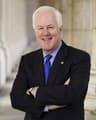
R· Texas
YRS IN OFFICE
23
BILLS LED
137
COSPONSOR BREAKDOWNBIPARTISAN · 0%
DEM 2 REP 0 IND 0
ACTION TIMELINE
9 EVENTSOCT 10
Received in the House.
OCT 10
Held at the desk.
OCT 8
Message on Senate action sent to the House.
SEP 29
Senate Committee on the Judiciary discharged by Unanimous Consent.
BILL INFO
TypeSenate Bill
NumberS 1333
Congress119th
StatusPassed Senate
IntroducedApr 8, 2025
Last actionOct 10, 2025
READER REACTIONS
OVERALL SENTIMENT
No reactions yet. Be the first to weigh in.
Discussion
Loading comments...
PASSED SENATE· 119TH CONGRESS · JUDICIARY COMMITTEE · INTRODUCED APR 8, 2025
Senate BillS 1333Violent crimeSex offenses
Strengthening Child Exploitation Enforcement Act
INTRODUCED APR 8, 2025· LAST ACTION OCT 10, 2025
PASSAGE CHANCES
—%
READING
5 min
COSPONSORS
2
COMPLEXITY
Moderate