Bills · S 1329
IN COMMITTEE· 119TH CONGRESS
Senate BillS 1329Health
PEER Support Act
INTRO APR 8· LAST ACTION APR 8
READING
6MIN
COSPONSORS
7BIPARTISAN
READER REACTIONS0 TOTAL
NO VOTES YET · BE THE FIRST
- Introduced only
LEGISLATIVE PROGRESS
STEP 2 / 8Introduced
In Committee
Reported
Passed Senate
Passed House
Conference
To President
Became Law
WHAT THE BILL DOES
AI-writtenVoters should care about this bill because it addresses a critical shortage in the behavioral health workforce, making it easier for people struggling with mental health or substance use to find effective support. Peer support specialists, who draw on their own lived experiences, are increasingly recognized as vital to recovery, offering a unique type of empathy and understanding that complements traditional clinical care.
If this bill becomes law, it could lead to more widely available and higher-quality peer support services, potentially improving recovery rates and reducing the burden on overstretched mental health systems. If it doesn't pass, the peer support profession may remain less integrated and supported, potentially limiting access to these valuable services for those who need them most and slowing efforts to address the ongoing mental health and addiction crises.
KEY PROVISIONS
4AI-extractedPROVISION 01
The bill officially defines 'peer support specialist' to include individuals with lived experience of recovery or their caregivers, who are certified to provide recovery services.
This standardized definition provides clarity and consistency for the profession across states, making it easier to integrate peer support into healthcare systems.
PROVISION 02
It requires the Office of Management and Budget to recognize peer support specialists as a distinct occupational category by January 1, 2026.
Official federal recognition legitimizes the profession, can lead to better data collection, and may open doors for improved training and funding.
PROVISION 03
It establishes an Office of Recovery within SAMHSA, led by someone with lived recovery experience, to provide leadership and support for recovery services and the peer support workforce.
This dedicated office will focus federal resources and expertise on expanding access to recovery support and professionalizing peer support roles nationwide.
PROVISION 04
The bill mandates a report on criminal background check processes for peer support specialists, including recommendations to reduce barriers to certification.
This report aims to address potential hurdles that individuals with past convictions, who often have valuable lived experience, face in becoming certified peer support specialists.
SPONSORSHIP
1 + 7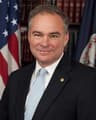
D· Virginia
YRS IN OFFICE
13
BILLS LED
109
COSPONSOR BREAKDOWNBIPARTISAN · 85%
DEM 4 REP 3 IND 0
ACTION TIMELINE
2 EVENTSAPR 8
Introduced in Senate
APR 8
Read twice and referred to the Committee on Health, Education, Labor, and Pensions.
BILL INFO
TypeSenate Bill
NumberS 1329
Congress119th
StatusIn Committee
IntroducedApr 8, 2025
Last actionApr 8, 2025
READER REACTIONS
OVERALL SENTIMENT
No reactions yet. Be the first to weigh in.
Discussion
Loading comments...
IN COMMITTEE· 119TH CONGRESS · HEALTH, EDUCATION, LABOR, AND PENSIONS COMMITTEE · INTRODUCED APR 8, 2025
Senate BillS 1329Health
PEER Support Act
INTRODUCED APR 8, 2025· LAST ACTION APR 8, 2025
PASSAGE CHANCES
—%
READING
6 min
COSPONSORS
7
COMPLEXITY
Moderate