Bills · S 1306
IN COMMITTEE· 119TH CONGRESS
Senate BillS 1306Environmental Protection
A bill to require the Director of the United States Fish and Wildlife Service to reissue a final rule removing the gray wolf from the list of endangered and threatened wildlife under the Endangered Species Act of 1973.
INTRO APR 4· LAST ACTION APR 4
READING
1MIN
COSPONSORS
3
READER REACTIONS0 TOTAL
NO VOTES YET · BE THE FIRST
- Introduced only
LEGISLATIVE PROGRESS
STEP 2 / 8Introduced
In Committee
Reported
Passed Senate
Passed House
Conference
To President
Became Law
WHAT THE BILL DOES
AI-writtenThis bill matters because it directly changes how gray wolves are protected and managed in the United States. If it becomes law, it would end federal protection for the species, shifting management responsibilities to individual states. This could lead to varying state-level rules, potentially including more opportunities for wolf hunting or control, impacting wolf populations and their ecosystems.
Currently, decisions about wolf protections are often challenged in court, leading to uncertainty and back-and-forth changes in their status. This bill seeks to provide a definitive end to federal protection and prevents future court challenges, ensuring that the 2020 decision to delist wolves stands without legal obstruction. For voters, it determines whether federal or state governments have the primary say in the future of gray wolf conservation.
KEY PROVISIONS
3AI-extractedPROVISION 01
Requires the Director of the U.S. Fish and Wildlife Service to re-issue a specific 2020 rule that removed the gray wolf from the list of endangered and threatened wildlife.
This provision directly mandates the removal of federal protections for the gray wolf across the country.
PROVISION 02
Mandates that the re-issuance of this rule must occur not later than 60 days after the bill becomes law.
This sets a strict and quick deadline for the federal agency to implement the delisting of gray wolves.
PROVISION 03
States that the re-issued rule removing the gray wolf from federal protection shall not be subject to judicial review.
This prevents any legal challenges in court against the decision to delist the gray wolf, making the action final.
SPONSORSHIP
1 + 3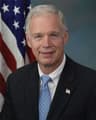
R· Wisconsin
YRS IN OFFICE
15
BILLS LED
22
COSPONSOR BREAKDOWNBIPARTISAN · 0%
DEM 0 REP 3 IND 0
ACTION TIMELINE
2 EVENTSAPR 4
Introduced in Senate
APR 4
Read twice and referred to the Committee on Environment and Public Works.
BILL INFO
TypeSenate Bill
NumberS 1306
Congress119th
StatusIn Committee
IntroducedApr 4, 2025
Last actionApr 4, 2025
READER REACTIONS
OVERALL SENTIMENT
No reactions yet. Be the first to weigh in.
Discussion
Loading comments...
IN COMMITTEE· 119TH CONGRESS · ENVIRONMENT AND PUBLIC WORKS COMMITTEE · INTRODUCED APR 4, 2025
Senate BillS 1306Environmental Protection
A bill to require the Director of the United States Fish and Wildlife Service to reissue a final rule removing the gray wolf from the list of endangered and threatened wildlife under the Endangered Species Act of 1973.
INTRODUCED APR 4, 2025· LAST ACTION APR 4, 2025
PASSAGE CHANCES
—%
READING
1 min
COSPONSORS
3
COMPLEXITY
Moderate