Bills · S 1222
IN COMMITTEE· 119TH CONGRESS
Senate BillS 1222Administrative law and regulatory proceduresEmployee benefits and pensions
Financial Freedom Act of 2025
INTRO APR 1· LAST ACTION APR 1
READING
2MIN
COSPONSORS
3
READER REACTIONS0 TOTAL
NO VOTES YET · BE THE FIRST
- Introduced only
LEGISLATIVE PROGRESS
STEP 2 / 8Introduced
In Committee
Reported
Passed Senate
Passed House
Conference
To President
Became Law
WHAT THE BILL DOES
AI-writtenVoters should care about this bill because it directly impacts their ability to choose how to invest their retirement savings. If passed, it could open up employer-sponsored retirement accounts to a much broader array of investments, including potentially more speculative assets like cryptocurrencies or less common investments, which are currently often restricted by plan fiduciaries or Department of Labor guidance. This change means individuals could have greater 'financial freedom' to direct their own retirement funds, aligning with personal investment philosophies or seeking potentially higher (or lower) returns.
However, it also shifts more of the responsibility and risk onto the individual investor for their choices, as the bill explicitly reduces the liability of plan managers for investment decisions made through self-directed options. If this bill doesn't become law, the Department of Labor would retain its authority to issue guidance that could limit or guide the types of investments offered in self-directed retirement accounts, potentially leading to fewer high-risk or alternative investment options being available within employer-sponsored plans.
KEY PROVISIONS
3AI-extractedPROVISION 01
Prohibits the Secretary of Labor from restricting the range or type of investments offered through self-directed brokerage windows in employer-sponsored retirement plans.
This provision directly expands the potential investment choices available to individuals in their retirement accounts.
PROVISION 02
Clarifies that plan fiduciaries (managers) are not required to select or prohibited from selecting any particular investment type, as long as they offer a broad range of options in self-directed accounts.
This reduces the regulatory burden and potential liability for plan managers who wish to offer diverse investment choices.
PROVISION 03
States that offering a self-directed brokerage window, or a participant's use of it, does not violate the prudence or diversification requirements for plan fiduciaries.
This shields plan fiduciaries from liability when participants make their own investment decisions in these specific types of accounts.
SPONSORSHIP
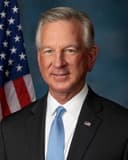
1 + 3
R· Alabama
YRS IN OFFICE
5
BILLS LED
41
COSPONSOR BREAKDOWNBIPARTISAN · 0%
DEM 0 REP 3 IND 0
ACTION TIMELINE
2 EVENTSAPR 1
Introduced in Senate
APR 1
Read twice and referred to the Committee on Health, Education, Labor, and Pensions.
BILL INFO
TypeSenate Bill
NumberS 1222
Congress119th
StatusIn Committee
IntroducedApr 1, 2025
Last actionApr 1, 2025
READER REACTIONS
OVERALL SENTIMENT
No reactions yet. Be the first to weigh in.
Discussion
Loading comments...
IN COMMITTEE· 119TH CONGRESS · HEALTH, EDUCATION, LABOR, AND PENSIONS COMMITTEE · INTRODUCED APR 1, 2025
Senate BillS 1222Administrative law and regulatory proceduresEmployee benefits and pensions
Financial Freedom Act of 2025
INTRODUCED APR 1, 2025· LAST ACTION APR 1, 2025
PASSAGE CHANCES
—%
READING
2 min
COSPONSORS
3
COMPLEXITY
Moderate