Bills · S 1061
IN COMMITTEE· 119TH CONGRESS
Senate BillS 1061SenatePresidents and presidential powers, Vice Presidents
Forest Service Accountability Act
INTRO MAR 13· LAST ACTION MAR 13
READING
2MIN
COSPONSORS
4
READER REACTIONS0 TOTAL
NO VOTES YET · BE THE FIRST
- Introduced only
LEGISLATIVE PROGRESS
STEP 2 / 8Introduced
In Committee
Reported
Passed Senate
Passed House
Conference
To President
Became Law
WHAT THE BILL DOES
AI-writtenThis bill matters because it elevates the position of the Chief of the Forest Service from an appointee of a cabinet secretary to a presidential appointee requiring Senate confirmation. This change could mean that the Forest Service Chief's policies and priorities are more closely aligned with the President's overall agenda, potentially leading to more direct political influence over national forest management decisions. Voters should care because decisions made by the Forest Service impact vast tracts of public land, affecting environmental protection, timber production, wildfire management, recreational opportunities, and water quality across the country.
If this bill becomes law, the Chief of the Forest Service would have a higher public profile and greater accountability to both the President and Congress. If it doesn't become law, the current system continues, where the Secretary of Agriculture appoints the Chief, which some might argue allows for a more non-political, expert-driven selection, while others might say it lacks sufficient oversight. The change could lead to more robust public debate and scrutiny during the confirmation process, but also potentially longer delays in filling the position.
KEY PROVISIONS
4AI-extractedPROVISION 01
Requires the President to appoint the Chief of the Forest Service with the approval of the Senate.
This fundamentally changes who selects the head of the agency, making the position subject to direct presidential and legislative oversight.
PROVISION 02
Mandates that the Chief of the Forest Service must have substantial experience and demonstrated competence in forest and natural resources management.
This ensures that anyone nominated for the position possesses relevant expertise in the field.
PROVISION 03
Requires Senate nominations for the Chief to be reviewed jointly by the Agriculture Committee and the Energy and Natural Resources Committee.
This provision ensures broad congressional review of the nominee, reflecting the diverse responsibilities of the Forest Service.
PROVISION 04
Stipulates that if an individual is already serving as Chief when the bill becomes law, the President must submit a nomination for them within 30 days.
This ensures a prompt transition to the new appointment process for existing leadership.
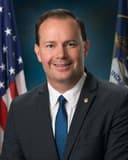
SPONSORSHIP
1 + 4
R· Utah
YRS IN OFFICE
15
BILLS LED
138
COSPONSOR BREAKDOWNBIPARTISAN · 0%
DEM 0 REP 4 IND 0
ACTION TIMELINE
2 EVENTSMAR 13
Introduced in Senate
MAR 13
Read twice and referred to the Committee on Agriculture, Nutrition, and Forestry.
BILL INFO
TypeSenate Bill
NumberS 1061
Congress119th
StatusIn Committee
IntroducedMar 13, 2025
Last actionMar 13, 2025
READER REACTIONS
OVERALL SENTIMENT
No reactions yet. Be the first to weigh in.
Discussion
Loading comments...
IN COMMITTEE· 119TH CONGRESS · AGRICULTURE, NUTRITION, AND FORESTRY COMMITTEE · INTRODUCED MAR 13, 2025
Senate BillS 1061SenatePresidents and presidential powers, Vice Presidents
Forest Service Accountability Act
INTRODUCED MAR 13, 2025· LAST ACTION MAR 13, 2025
PASSAGE CHANCES
—%
READING
2 min
COSPONSORS
4
COMPLEXITY
Moderate