Bills · S 1025
IN COMMITTEE· 119TH CONGRESS
Senate BillS 1025Science, Technology, Communications
FCC Legal Enforcement Act
INTRO MAR 13· LAST ACTION MAR 13
READING
3MIN
COSPONSORS
5
READER REACTIONS0 TOTAL
NO VOTES YET · BE THE FIRST
- Introduced only
LEGISLATIVE PROGRESS
STEP 2 / 8Introduced
In Committee
Reported
Passed Senate
Passed House
Conference
To President
Became Law
WHAT THE BILL DOES
AI-writtenThis bill matters to voters because it aims to strengthen the fight against robocalls and other unwanted phone calls, which are a widespread nuisance and source of frustration for many Americans. Currently, the process for collecting large fines from these violators can be slow if the Attorney General's office is bogged down or prioritizes other cases. This bill gives the FCC a direct path to enforce its own penalties, potentially speeding up collections and making it harder for persistent violators to avoid paying their fines.
If this bill becomes law, it could lead to more effective punishment for those who break robocall rules, possibly reducing the number of unwanted calls people receive. If it doesn't pass, the current system remains, meaning the FCC would continue to rely solely on the Attorney General to pursue unpaid fines, which might result in some large penalties going uncollected and violators facing fewer consequences.
KEY PROVISIONS
3AI-extractedPROVISION 01
Empowers the FCC to directly pursue legal action to collect unpaid forfeiture penalties for telephone equipment violations (like robocalls) if the Attorney General does not act within 120 days.
This gives the FCC a more direct and potentially faster way to collect fines from violators, rather than solely relying on another government department.
PROVISION 02
Requires the FCC to prioritize the enforcement of unpaid forfeiture penalties greater than $25,000,000 related to unwanted telephone calls.
This ensures that the largest violators, often responsible for the most widespread abuses, are targeted with greater urgency.
PROVISION 03
Clarifies the FCC's authority to issue regulations "as necessary" to protect phone users from unwanted calls.
This reinforces the FCC's power to adapt its rules to evolving robocall tactics and protect consumers.
SPONSORSHIP
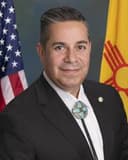
1 + 5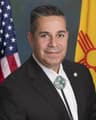
D· New Mexico
YRS IN OFFICE
17
BILLS LED
86
COSPONSOR BREAKDOWNBIPARTISAN · 0%
DEM 5 REP 0 IND 0
ACTION TIMELINE
2 EVENTSMAR 13
Introduced in Senate
MAR 13
Read twice and referred to the Committee on Commerce, Science, and Transportation.
BILL INFO
TypeSenate Bill
NumberS 1025
Congress119th
StatusIn Committee
IntroducedMar 13, 2025
Last actionMar 13, 2025
READER REACTIONS
OVERALL SENTIMENT
No reactions yet. Be the first to weigh in.
Discussion
Loading comments...
IN COMMITTEE· 119TH CONGRESS · COMMERCE, SCIENCE, AND TRANSPORTATION COMMITTEE · INTRODUCED MAR 13, 2025
Senate BillS 1025Science, Technology, Communications
FCC Legal Enforcement Act
INTRODUCED MAR 13, 2025· LAST ACTION MAR 13, 2025
PASSAGE CHANCES
—%
READING
3 min
COSPONSORS
5
COMPLEXITY
Moderate