Bills · HRES 964
IN COMMITTEE· 119TH CONGRESS
House Res.HRES 964International Affairs
Recognizing the bicentennial of the historic DACOR Bacon House.
INTRO DEC 18· LAST ACTION DEC 18
READING
5MIN
COSPONSORS
2BIPARTISAN
READER REACTIONS0 TOTAL
NO VOTES YET · BE THE FIRST
- Non-binding
- Commemorative
LEGISLATIVE PROGRESS
STEP 2 / 8Introduced
In Committee
Reported
Passed House
Passed Senate
Conference
To President
Became Law
WHAT THE BILL DOES
AI-writtenVoters might care about this bill because it represents a public acknowledgment of a significant piece of American history and diplomacy. It highlights how a single building can be connected to pivotal moments and figures, from the nation's founding to its ongoing diplomatic efforts. By passing this resolution, Congress is signaling its appreciation for cultural heritage and the organizations dedicated to preserving it, which can be seen as an investment in national identity and historical education.
While this resolution doesn't change any laws or directly impact people's finances, it serves as a reminder of the nation's past, including its complexities like the use of enslaved labor mentioned in the bill. If this bill becomes law, it simply means the House has formally recognized the house's bicentennial; if it doesn't, the house will still exist, but without this specific congressional acknowledgment.
KEY PROVISIONS
4AI-extractedPROVISION 01
Recognizes the historic importance of the DACOR Bacon House to American diplomacy, the Supreme Court, and Congress.
This formally acknowledges the house's significant role and connections across various branches of American government and foreign relations.
PROVISION 02
Applauds the Diplomatic and Consular Officers, Retired (DACOR) organization and its Foundation for their efforts in preserving the house.
This provides official commendation to the groups responsible for maintaining this historical landmark.
PROVISION 03
Congratulates all those who have found meaning and community in the DACOR Bacon House on its bicentennial.
This expresses a broader appreciation for the house's ongoing cultural and social relevance to its community.
PROVISION 04
Sincely wishes for the DACOR Bacon House to continue to flourish for the next 200 years.
This conveys a forward-looking sentiment about the house's enduring value and future contributions.
SPONSORSHIP
1 + 2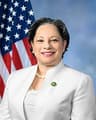
D· Virginia
YRS IN OFFICE
3
BILLS LED
27
COSPONSOR BREAKDOWNBIPARTISAN · 100%
DEM 1 REP 1 IND 0
ACTION TIMELINE
2 EVENTSDEC 18
Submitted in House
DEC 18
Referred to the House Committee on Oversight and Government Reform.
BILL INFO
TypeHouse Resolution
NumberHRES 964
Congress119th
StatusIn Committee
IntroducedDec 18, 2025
Last actionDec 18, 2025
READER REACTIONS
OVERALL SENTIMENT
No reactions yet. Be the first to weigh in.
Discussion
Loading comments...
IN COMMITTEE· 119TH CONGRESS · OVERSIGHT AND GOVERNMENT REFORM COMMITTEE · INTRODUCED DEC 18, 2025
House Res.HRES 964International Affairs
Recognizing the bicentennial of the historic DACOR Bacon House.
INTRODUCED DEC 18, 2025· LAST ACTION DEC 18, 2025
PASSAGE CHANCES
—%
READING
5 min
COSPONSORS
2
COMPLEXITY
Moderate