Bills · HRES 894
IN COMMITTEE· 119TH CONGRESS
House Res.HRES 894Education
Expressing the sense of the House of Representatives that strong public education in United States history and civics is essential to preserving the Nation's founding ideals on the eve of the 250th anniversary of the United States.
INTRO NOV 19· LAST ACTION NOV 19
READING
5MIN
COSPONSORS
1
READER REACTIONS0 TOTAL
NO VOTES YET · BE THE FIRST
- Non-binding
- Commemorative
LEGISLATIVE PROGRESS
STEP 2 / 8Introduced
In Committee
Reported
Passed House
Passed Senate
Conference
To President
Became Law
WHAT THE BILL DOES
AI-writtenVoters should care about this resolution because it reflects a collective sentiment from the House of Representatives about the importance of civic literacy. In a time when understanding of American history and government is often debated, this resolution signals a unified congressional message that such education is vital for a functioning democracy and an engaged citizenry. While it doesn't enact new laws or allocate funding, it can influence public discourse and state-level educational policy discussions, potentially leading to future actions or greater emphasis on civics education.
If this resolution is adopted, it means the House officially states its support for these educational goals, which could lend weight to initiatives promoting history and civics. If it doesn't pass, it simply means the House hasn't formally expressed this specific sentiment, but it wouldn't stop individual schools or groups from pursuing these educational aims on their own. It brings attention to the idea that a shared understanding of our nation's past is crucial for current and future societal cohesion.
KEY PROVISIONS
5AI-extractedPROVISION 01
Reaffirms that strong history and civics education is essential for preserving the nation's founding ideals and preparing future generations.
This provision emphasizes the fundamental role of education in upholding core American values and principles.
PROVISION 02
Recognizes the upcoming 250th anniversary of the Declaration of Independence as an opportunity to strengthen civic knowledge, patriotism, and understanding of the American story.
It ties the educational focus to a significant national milestone, encouraging widespread engagement.
PROVISION 03
Encourages states, territories, Indian Tribes, and local educational agencies to provide age-appropriate, fact-based instruction on the American Revolution, Declaration of Independence, Constitution, and key leaders.
This aims to promote specific, foundational content in history and civics curricula across the country.
PROVISION 04
Supports voluntary partnerships between public schools, museums, libraries, historic sites, veteran organizations, and media producers to enhance student learning about the nation's founding and institutions.
This encourages collaborative and diverse approaches to civic education, extending learning beyond the classroom.
PROVISION 05
Encourages all U.S. citizens, especially young people, to study and reflect on the examples of founding leaders and ordinary people who secured independence, and to embody American ideals.
This calls for personal engagement and reflection on civic virtues and historical lessons for all Americans.
SPONSORSHIP
1 + 1
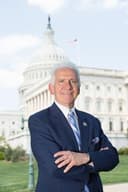
D· California
YRS IN OFFICE
21
BILLS LED
29
COSPONSOR BREAKDOWNBIPARTISAN · 0%
DEM 1 REP 0 IND 0
ACTION TIMELINE
2 EVENTSNOV 19
Submitted in House
NOV 19
Referred to the House Committee on Education and Workforce.
BILL INFO
TypeHouse Resolution
NumberHRES 894
Congress119th
StatusIn Committee
IntroducedNov 19, 2025
Last actionNov 19, 2025
READER REACTIONS
OVERALL SENTIMENT
No reactions yet. Be the first to weigh in.
Discussion
Loading comments...
IN COMMITTEE· 119TH CONGRESS · EDUCATION AND WORKFORCE COMMITTEE · INTRODUCED NOV 19, 2025
House Res.HRES 894Education
Expressing the sense of the House of Representatives that strong public education in United States history and civics is essential to preserving the Nation's founding ideals on the eve of the 250th anniversary of the United States.
INTRODUCED NOV 19, 2025· LAST ACTION NOV 19, 2025
PASSAGE CHANCES
—%
READING
5 min
COSPONSORS
1
COMPLEXITY
Moderate