Bills · HRES 841
IN COMMITTEE· 119TH CONGRESS
House Res.HRES 841International Affairs
Expressing support for the recognition and commemoration of the Sikh Genocide of 1984.
INTRO OCT 28· LAST ACTION OCT 28
READING
3MIN
COSPONSORS
8
READER REACTIONS0 TOTAL
NO VOTES YET · BE THE FIRST
- Non-binding
LEGISLATIVE PROGRESS
STEP 2 / 8Introduced
In Committee
Reported
Passed House
Passed Senate
Conference
To President
Became Law
WHAT THE BILL DOES
AI-writtenThis resolution matters because it's a formal declaration by a branch of the U.S. government on a significant historical event involving another country. If passed, it means the U.S. House of Representatives officially acknowledges the 1984 violence against Sikhs as a genocide, which has implications for how these events are remembered and discussed internationally.
For the Sikh community, this recognition is crucial for historical justice, potentially aiding in healing from past trauma and affirming their experiences. It could also influence broader human rights discussions and set a precedent for other nations to officially recognize such events. If the resolution doesn't pass, it means the U.S. House has not taken an official stance on this specific historical event, and the community's call for official recognition by the U.S. government would remain unfulfilled.
KEY PROVISIONS
3AI-extractedPROVISION 01
The U.S. House of Representatives expresses support for the official recognition and commemoration of the Sikh Genocide of 1984.
This establishes a formal stance by a part of the U.S. government on a historical event, validating the experiences of victims and their descendants.
PROVISION 02
The resolution calls for all individuals responsible for the genocide, regardless of their position or status, to be held accountable.
This advocates for justice and sends a strong message that perpetrators of such violence should face consequences.
PROVISION 03
The U.S. government should reject any efforts to deny the Sikh Genocide.
This aims to prevent historical revisionism and ensures the U.S. maintains a consistent position on the truth of these events.
SPONSORSHIP
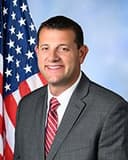
1 + 8
R· California
YRS IN OFFICE
13
BILLS LED
36
COSPONSOR BREAKDOWNBIPARTISAN · 25%
DEM 7 REP 1 IND 0
ACTION TIMELINE
2 EVENTSOCT 28
Submitted in House
OCT 28
Referred to the House Committee on Foreign Affairs.
BILL INFO
TypeHouse Resolution
NumberHRES 841
Congress119th
StatusIn Committee
IntroducedOct 28, 2025
Last actionOct 28, 2025
READER REACTIONS
OVERALL SENTIMENT
No reactions yet. Be the first to weigh in.
Discussion
Loading comments...
IN COMMITTEE· 119TH CONGRESS · FOREIGN AFFAIRS COMMITTEE · INTRODUCED OCT 28, 2025
House Res.HRES 841International Affairs
Expressing support for the recognition and commemoration of the Sikh Genocide of 1984.
INTRODUCED OCT 28, 2025· LAST ACTION OCT 28, 2025
PASSAGE CHANCES
—%
READING
3 min
COSPONSORS
8
COMPLEXITY
Moderate