Bills · HRES 829
IN COMMITTEE· 119TH CONGRESS
House Res.HRES 829Civil Rights and Liberties, Minority Issues
Recognizing the significance of equal pay and the pay disparity between disabled women and both disabled and nondisabled men.
INTRO OCT 24· LAST ACTION OCT 24
READING
3MIN
COSPONSORS
5
READER REACTIONS0 TOTAL
NO VOTES YET · BE THE FIRST
- Non-binding
- Commemorative
LEGISLATIVE PROGRESS
STEP 2 / 8Introduced
In Committee
Reported
Passed House
Passed Senate
Conference
To President
Became Law
WHAT THE BILL DOES
AI-writtenThis resolution matters because it brings official attention to a significant economic inequality that affects millions of Americans. Even though it doesn't create new laws or programs, it formally acknowledges that disabled women face substantial pay disparities, which means they often struggle more to afford necessities, save for the future, and achieve financial independence. By highlighting detailed statistics on wage gaps across different racial and disability groups, the resolution aims to raise public and political awareness about a problem that might otherwise be overlooked.
If this resolution passes, it signifies that a part of Congress recognizes this issue as important. This recognition can lay the groundwork for future policy discussions, legislative proposals, or advocacy efforts that could eventually lead to concrete changes, such as stronger equal pay laws, improved access to competitive employment, or better support services for disabled women. Without such recognition, these disparities might remain less visible and less prioritized in the national conversation.
KEY PROVISIONS
4AI-extractedPROVISION 01
The House officially recognizes the significant pay disparity between disabled women and both disabled and non-disabled men.
This formal acknowledgment highlights a critical economic issue affecting a specific demographic.
PROVISION 02
The resolution details specific wage gaps for disabled women across various racial and ethnic groups, compared to non-disabled men.
This provides concrete data and highlights the intersectional nature of the pay gap, emphasizing that some groups face even larger disparities.
PROVISION 03
It outlines several systemic barriers, such as discrimination, public benefits work disincentives, and inadequate healthcare, that contribute to these wage inequities.
This identifies underlying causes, setting a foundation for understanding and potentially addressing the problem.
PROVISION 04
The House reaffirms its commitment to supporting equal pay for disabled women, closing various wage gaps, and addressing the root causes of these inequalities.
This serves as a public declaration of the House's intent to prioritize and work towards solutions for this issue.
SPONSORSHIP
1 + 5
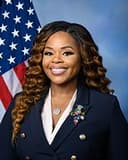
D· Florida
YRS IN OFFICE
4
BILLS LED
20
COSPONSOR BREAKDOWNBIPARTISAN · 0%
DEM 5 REP 0 IND 0
ACTION TIMELINE
2 EVENTSOCT 24
Submitted in House
OCT 24
Referred to the House Committee on Education and Workforce.
BILL INFO
TypeHouse Resolution
NumberHRES 829
Congress119th
StatusIn Committee
IntroducedOct 24, 2025
Last actionOct 24, 2025
READER REACTIONS
OVERALL SENTIMENT
No reactions yet. Be the first to weigh in.
Discussion
Loading comments...
IN COMMITTEE· 119TH CONGRESS · EDUCATION AND WORKFORCE COMMITTEE · INTRODUCED OCT 24, 2025
House Res.HRES 829Civil Rights and Liberties, Minority Issues
Recognizing the significance of equal pay and the pay disparity between disabled women and both disabled and nondisabled men.
INTRODUCED OCT 24, 2025· LAST ACTION OCT 24, 2025
PASSAGE CHANCES
—%
READING
3 min
COSPONSORS
5
COMPLEXITY
Moderate