Bills · HRES 824
IN COMMITTEE· 119TH CONGRESS
House Res.HRES 824Arts, Culture, Religion
Recognizing the religious and historical significance of the festival of Diwali.
INTRO OCT 21· LAST ACTION OCT 21
READING
2MIN
COSPONSORS
34
READER REACTIONS0 TOTAL
NO VOTES YET · BE THE FIRST
- Non-binding
- Commemorative
LEGISLATIVE PROGRESS
STEP 2 / 8Introduced
In Committee
Reported
Passed House
Passed Senate
Conference
To President
Became Law
WHAT THE BILL DOES
AI-writtenVoters should care about this bill because it represents a formal recognition of a significant religious and cultural holiday celebrated by millions of Americans. It shows that the U.S. government values and respects the diverse traditions present within its borders. This can contribute to a stronger sense of belonging and community for those who celebrate Diwali, and for others, it reinforces the principle of religious pluralism.
If this resolution becomes law (meaning it passes the House), it means the House has officially gone on record to acknowledge Diwali's importance, expressing respect for the communities that celebrate it. If it doesn't pass, it simply means this specific resolution wasn't adopted, but it doesn't stop anyone from celebrating Diwali. The impact is primarily symbolic, but symbols can be powerful in fostering unity and respect.
KEY PROVISIONS
4AI-extractedPROVISION 01
The resolution formally recognizes the historical and religious significance of the festival of Diwali.
This provision is significant because it establishes an official acknowledgment by a branch of the U.S. government of a major cultural and religious holiday.
PROVISION 02
It expresses the House's deepest respect for Indian-Americans and the Indian diaspora worldwide on this significant occasion.
This provision offers a direct message of appreciation and inclusion to a specific community within the U.S. and globally.
PROVISION 03
The resolution recognizes and appreciates the religious diversity found in India, the United States, and around the world.
This provision highlights a broader principle of religious pluralism and tolerance, which is fundamental to American values.
PROVISION 04
It acknowledges and supports the relationship of collaboration and respect between the United States and India.
This provision subtly links cultural recognition with diplomatic ties, reinforcing a positive international relationship.
SPONSORSHIP
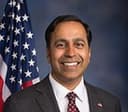
1 + 34
D· Illinois
YRS IN OFFICE
9
BILLS LED
42
COSPONSOR BREAKDOWNBIPARTISAN · 24%
DEM 30 REP 4 IND 0
ACTION TIMELINE
2 EVENTSOCT 21
Submitted in House
OCT 21
Referred to the House Committee on Foreign Affairs.
BILL INFO
TypeHouse Resolution
NumberHRES 824
Congress119th
StatusIn Committee
IntroducedOct 21, 2025
Last actionOct 21, 2025
READER REACTIONS
OVERALL SENTIMENT
No reactions yet. Be the first to weigh in.
Discussion
Loading comments...
IN COMMITTEE· 119TH CONGRESS · FOREIGN AFFAIRS COMMITTEE · INTRODUCED OCT 21, 2025
House Res.HRES 824Arts, Culture, Religion
Recognizing the religious and historical significance of the festival of Diwali.
INTRODUCED OCT 21, 2025· LAST ACTION OCT 21, 2025
PASSAGE CHANCES
—%
READING
2 min
COSPONSORS
34
COMPLEXITY
Moderate