Bills · HRES 746
IN COMMITTEE· 119TH CONGRESS
House Res.HRES 746Crime and Law Enforcement
Expressing the sense of the House of Representatives condemning all forms of political violence and rejecting rhetoric that dehumanizes or demonizes political opponents.
INTRO SEP 18· LAST ACTION SEP 18
READING
5MIN
COSPONSORS
167
READER REACTIONS0 TOTAL
NO VOTES YET · BE THE FIRST
- Non-binding
- Commemorative
LEGISLATIVE PROGRESS
STEP 2 / 8Introduced
In Committee
Reported
Passed House
Passed Senate
Conference
To President
Became Law
WHAT THE BILL DOES
AI-writtenVoters should care about this resolution because it directly addresses the growing concern about political division and violence in society. If passed, it signals that the House of Representatives is unified in its stance against such acts and the rhetoric that fuels them, potentially setting a standard for behavior and discourse in the political arena. This could help restore trust in democratic institutions and encourage more peaceful participation in politics.
If this resolution becomes law (meaning it passes the House), it doesn't legally change anything or punish anyone, but it serves as a powerful moral and ethical statement. If it doesn't pass, it could be seen as a missed opportunity for the House to formally denounce political violence and divisive language, which some might interpret as a lack of resolve in addressing these critical issues affecting the safety of public servants and the health of democracy.
KEY PROVISIONS
5AI-extractedPROVISION 01
Condemns all forms of political violence, including assassinations and threats against public figures and officials.
This provision establishes a clear and broad denunciation of harmful acts that undermine democracy and endanger individuals.
PROVISION 02
Affirms that political disputes must be resolved through lawful, peaceful, and democratic means, not violence.
This reinforces the foundational principles of a democratic system, emphasizing non-violent conflict resolution.
PROVISION 03
Urges law enforcement to thoroughly investigate and prosecute those who commit or incite political violence.
This encourages accountability for violent acts and aims to deter future incidents by ensuring consequences.
PROVISION 04
Calls on public officials, community leaders, and media to reject dehumanizing or demonizing rhetoric and foster civil discourse.
This provision addresses the underlying language that can escalate tensions and contribute to a climate of violence.
PROVISION 05
Declares that violence or threats against officials degrade the dignity, safety, and integrity of democratic institutions.
This highlights the systemic impact of political violence, not just on individuals but on the entire governmental structure.
SPONSORSHIP
1 + 167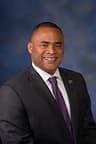
D· Texas
YRS IN OFFICE
13
BILLS LED
14
COSPONSOR BREAKDOWNBIPARTISAN · 0%
DEM 167 REP 0 IND 0
ACTION TIMELINE
2 EVENTSSEP 18
Submitted in House
SEP 18
Referred to the House Committee on the Judiciary.
BILL INFO
TypeHouse Resolution
NumberHRES 746
Congress119th
StatusIn Committee
IntroducedSep 18, 2025
Last actionSep 18, 2025
READER REACTIONS
OVERALL SENTIMENT
No reactions yet. Be the first to weigh in.
Discussion
Loading comments...
IN COMMITTEE· 119TH CONGRESS · JUDICIARY COMMITTEE · INTRODUCED SEP 18, 2025
House Res.HRES 746Crime and Law Enforcement
Expressing the sense of the House of Representatives condemning all forms of political violence and rejecting rhetoric that dehumanizes or demonizes political opponents.
INTRODUCED SEP 18, 2025· LAST ACTION SEP 18, 2025
PASSAGE CHANCES
—%
READING
5 min
COSPONSORS
167
COMPLEXITY
Moderate