Bills · HRES 732
IN COMMITTEE· 119TH CONGRESS
House Res.HRES 732Health
Expressing support for the designation of September 30, 2025, as "Rare Cancer Day" to highlight the challenges patients with rare cancers face and to raise awareness and support efforts to improve early diagnosis and treatment.
INTRO SEP 17· LAST ACTION SEP 17
READING
2MIN
COSPONSORS
4BIPARTISAN
READER REACTIONS0 TOTAL
NO VOTES YET · BE THE FIRST
- Non-binding
LEGISLATIVE PROGRESS
STEP 2 / 8Introduced
In Committee
Reported
Passed House
Passed Senate
Conference
To President
Became Law
WHAT THE BILL DOES
AI-writtenThis resolution matters because it's a formal statement of support from a branch of the U.S. government for a specific health issue. While it doesn't immediately change laws or allocate money, it brings national attention to rare cancers, which are often overlooked compared to more common cancer types. By recognizing September 30, 2025, as "Rare Cancer Day," it encourages public discussion, research, and policy focus on improving early detection and developing better treatments, which could eventually lead to better outcomes for patients. Without such a resolution, this specific cause might not receive the same level of official recognition and spotlight.
KEY PROVISIONS
4AI-extractedPROVISION 01
The House of Representatives formally supports designating September 30, 2025, as "Rare Cancer Day."
This creates a specific annual focus day to elevate awareness for rare cancers.
PROVISION 02
The resolution highlights that approximately one in five cancer patients has a rare cancer, and all pediatric cancers are rare.
This emphasizes the significant prevalence and impact of rare cancers across different age groups.
PROVISION 03
It recognizes that patients with rare cancers often face challenges with early detection, longer diagnosis times, and lower 5-year survival rates.
This points out the specific difficulties and disparities that the designation aims to address.
PROVISION 04
The House encourages partnerships with the medical and scientific communities and supports dedicating funding to research cures and treatments for rare cancers.
This signals the House's desire for increased collaboration and investment in finding solutions for these challenging diseases.
SPONSORSHIP
1 + 4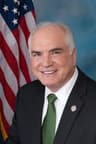
R· Pennsylvania
YRS IN OFFICE
15
BILLS LED
34
COSPONSOR BREAKDOWNBIPARTISAN · 50%
DEM 3 REP 1 IND 0
ACTION TIMELINE
2 EVENTSSEP 17
Submitted in House
SEP 17
Referred to the House Committee on Energy and Commerce.
BILL INFO
TypeHouse Resolution
NumberHRES 732
Congress119th
StatusIn Committee
IntroducedSep 17, 2025
Last actionSep 17, 2025
READER REACTIONS
OVERALL SENTIMENT
No reactions yet. Be the first to weigh in.
Discussion
Loading comments...
IN COMMITTEE· 119TH CONGRESS · ENERGY AND COMMERCE COMMITTEE · INTRODUCED SEP 17, 2025
House Res.HRES 732Health
Expressing support for the designation of September 30, 2025, as "Rare Cancer Day" to highlight the challenges patients with rare cancers face and to raise awareness and support efforts to improve early diagnosis and treatment.
INTRODUCED SEP 17, 2025· LAST ACTION SEP 17, 2025
PASSAGE CHANCES
—%
READING
2 min
COSPONSORS
4
COMPLEXITY
Moderate