Providing for consideration of the bill (H.R. 3838) to authorize appropriations for fiscal year 2026 for military activities of the Department of Defense, for military construction, and for defense activities of the Department of Energy, to prescribe military personnel strengths for such fiscal year, and for other purposes, and providing for consideration of the bill (H.R. 3486) to amend the Immigration and Nationality Act to increase penalties for individuals who illegally enter and reenter the United States after being removed, and for other purposes. | ChamberLight
Bills · HRES 682
PASSED HOUSE· 119TH CONGRESS
House Res.HRES 682House of RepresentativesLegislative rules and procedure
Providing for consideration of the bill (H.R. 3838) to authorize appropriations for fiscal year 2026 for military activities of the Department of Defense, for military construction, and for defense activities of the Department of Energy, to prescribe military personnel strengths for such fiscal year, and for other purposes, and providing for consideration of the bill (H.R. 3486) to amend the Immigration and Nationality Act to increase penalties for individuals who illegally enter and reenter the United States after being removed, and for other purposes.
INTRO SEP 9· LAST ACTION SEP 9
READING
6MIN
COSPONSORS
0
READER REACTIONS0 TOTAL
NO VOTES YET · BE THE FIRST
Non-binding
Rule, not the policy
LEGISLATIVE PROGRESS
STEP 4 / 8
Introduced
In Committee
Reported
Passed House
Passed Senate
Conference
To President
Became Law
WHAT THE BILL DOES
AI-written
This resolution matters because it controls the legislative process for two very important and often contentious pieces of legislation. By setting specific rules for debate and amendments, it influences the final form of these bills and the transparency of their passage. The defense bill (H.R. 3838) is crucial as it determines the funding and policies for the entire U.S. military, affecting national security, defense spending, and the lives of service members and their families.
The immigration bill (H.R. 3486) addresses a highly debated issue concerning border security and immigration enforcement, with potential real-world consequences for individuals and the justice system. Voters should care because these procedural rules can either ensure a thorough debate on critical issues or limit it, shaping how major laws that impact federal spending, national defense, and immigration policy are made.
KEY PROVISIONS
5AI-extracted
PROVISION 01
Allows the House of Representatives to begin debating and voting on H.R. 3838, the annual defense funding bill for fiscal year 2026.
This clears the way for the House to consider crucial legislation that funds the entire U.S. military and sets defense policy.
PROVISION 02
Sets specific rules for the debate on H.R. 3838, including limiting general debate to one hour and allowing only certain pre-approved amendments.
These rules control how much discussion occurs and what changes can be made to the defense bill on the House floor.
PROVISION 03
Allows the House to begin debating and voting on H.R. 3486, a bill proposing increased penalties for individuals who illegally re-enter the U.S. after removal.
This enables the House to take action on significant immigration enforcement policy changes.
PROVISION 04
Sets specific rules for the debate on H.R. 3486, including limiting debate to one hour and adopting a specific amended version of the bill.
These rules streamline the consideration of the immigration bill, controlling debate and the version presented for a final vote.
PROVISION 05
Waives all procedural objections (points of order) against the consideration and provisions of both H.R. 3838 and H.R. 3486.
This prevents procedural challenges from delaying or stopping the passage of either bill, even if they might violate House rules.
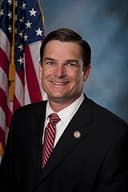
The House Committee on Rules reported an original measure, H. Rept. 119-255, by Mr. Scott, Austin.
HOUSE · COMMITTEE
SEP 9
The resolution provides for consideration of H.R. 3838 under a structured rule and H.R. 3486 under a closed rule with one hour of general debate and one motion to recommit on each bill.
HOUSE · FLOOR
SEP 9
Placed on the House Calendar, Calendar No. 43.
CALENDARS
SEP 9
Considered as privileged matter. (consideration: CR H3907)
House Res.HRES 682House of RepresentativesLegislative rules and procedure
Providing for consideration of the bill (H.R. 3838) to authorize appropriations for fiscal year 2026 for military activities of the Department of Defense, for military construction, and for defense activities of the Department of Energy, to prescribe military personnel strengths for such fiscal year, and for other purposes, and providing for consideration of the bill (H.R. 3486) to amend the Immigration and Nationality Act to increase penalties for individuals who illegally enter and reenter the United States after being removed, and for other purposes.
This resolution matters because it controls the legislative process for two very important and often contentious pieces of legislation. By setting specific rules for debate and amendments, it influences the final form of these bills and the transparency of their passage. The defense bill (H.R. 3838) is crucial as it determines the funding and policies for the entire U.S. military, affecting national security, defense spending, and the lives of service members and their families.
The immigration bill (H.R. 3486) addresses a highly debated issue concerning border security and immigration enforcement, with potential real-world consequences for individuals and the justice system. Voters should care because these procedural rules can either ensure a thorough debate on critical issues or limit it, shaping how major laws that impact federal spending, national defense, and immigration policy are made.
KEY PROVISIONS
AI-extracted
high
Allows the House of Representatives to begin debating and voting on H.R. 3838, the annual defense funding bill for fiscal year 2026.
This clears the way for the House to consider crucial legislation that funds the entire U.S. military and sets defense policy.
med
Sets specific rules for the debate on H.R. 3838, including limiting general debate to one hour and allowing only certain pre-approved amendments.
These rules control how much discussion occurs and what changes can be made to the defense bill on the House floor.
high
Allows the House to begin debating and voting on H.R. 3486, a bill proposing increased penalties for individuals who illegally re-enter the U.S. after removal.
This enables the House to take action on significant immigration enforcement policy changes.
med
Sets specific rules for the debate on H.R. 3486, including limiting debate to one hour and adopting a specific amended version of the bill.
These rules streamline the consideration of the immigration bill, controlling debate and the version presented for a final vote.
med
Waives all procedural objections (points of order) against the consideration and provisions of both H.R. 3838 and H.R. 3486.
This prevents procedural challenges from delaying or stopping the passage of either bill, even if they might violate House rules.
GLOSSARY
AI-written
Resolution
A formal statement of opinion or intent adopted by a legislative body, like the House of Representatives, that does not have the force of law itself but often deals with procedural matters or expresses a viewpoint.
Committee of the Whole House on the State of the Union
A procedural step in the House of Representatives where the entire House acts as a single committee to consider legislation. This allows for more informal debate and easier amendment processes than during regular House sessions.
Points of Order
An objection raised by a member of Congress that a legislative action or proposal violates the rules of the House or Senate. If sustained, it can stop or alter the proceeding.
Waiver of Points of Order
An action by the House, often through a special rule, that permits specific legislation or amendments to be considered even if they would otherwise violate established House rules.
Amendment in the Nature of a Substitute
A type of amendment that proposes to replace the entire text of a bill with new, alternative text.
Five-Minute Rule
A procedure used during the 'Committee of the Whole' debate, where discussion on each amendment is limited to five minutes for the person proposing it and five minutes for an opponent.
ACTION TIMELINE
11 EVENTS
SEP 9, 25
The House Committee on Rules reported an original measure, H. Rept. 119-255, by Mr. Scott, Austin.
COMMITTEE
SEP 9, 25
The resolution provides for consideration of H.R. 3838 under a structured rule and H.R. 3486 under a closed rule with one hour of general debate and one motion to recommit on each bill.
FLOOR
SEP 9, 25
Placed on the House Calendar, Calendar No. 43.
CALENDARS
SEP 9, 25
Considered as privileged matter. (consideration: CR H3907)
A group of multiple amendments that are offered and voted on together as a single package, rather than individually.
Previous Question
A motion in the House of Representatives that, if passed, immediately ends debate on a measure and forces a vote on the measure and any pending amendments, preventing further amendments or discussion.
Motion to Recommit
A motion that sends a bill back to the committee that reported it, sometimes with instructions to amend it. It is often the last opportunity for the minority party to try and change a bill before a final vote.
Roll Call #242
Party-Line
On Ordering the Previous Question
PassedRequires ½ majority
213 Yes207 No10 NV
213 Yes207 No10 NV
Requires: Simple MajorityD majority: noR majority: yes