Bills · HRES 556
IN COMMITTEE· 119TH CONGRESS
House Res.HRES 556Law
Impeaching Charles R. Breyer, Senior Judge of the United States District Court for the Northern District of California, for high crimes and misdemeanors.
INTRO JUN 27· LAST ACTION JUN 27
READING
3MIN
COSPONSORS
0
READER REACTIONS0 TOTAL
NO VOTES YET · BE THE FIRST
- Non-binding
LEGISLATIVE PROGRESS
STEP 2 / 8Introduced
In Committee
Reported
Passed House
Passed Senate
Conference
To President
Became Law
WHAT THE BILL DOES
AI-writtenVoters should care about this bill because it touches upon fundamental aspects of American governance: the independence of the judiciary and the separation of powers. Impeaching a federal judge is a serious move that questions whether a judge has overstepped their authority or engaged in misconduct severe enough to warrant removal from office. If this bill passes the House and leads to a Senate trial, it could either affirm the principle that judges must remain impartial and within their constitutional bounds, or it could be seen as a political attack on judicial independence, potentially chilling judges' willingness to rule against the executive branch.
If this bill becomes law (meaning the judge is impeached and removed by the Senate), it would signal a strong legislative check on the judiciary, asserting that judges cannot interfere with certain executive powers, such as deploying the National Guard. If it doesn't become law, it could reinforce the idea of judicial independence, allowing judges broader discretion in their rulings even when they might conflict with executive actions, potentially leading to ongoing debates about the boundaries of each branch's power.
KEY PROVISIONS
3AI-extractedPROVISION 01
The resolution formally impeaches Senior District Judge Charles R. Breyer for high crimes and misdemeanors.
This initiates the formal process of removing a federal judge from office for alleged misconduct.
PROVISION 02
It charges Judge Breyer specifically with 'abuse of power' through actions that advanced political gain and interfered with the President's constitutional authority.
This specifies the core legal and ethical violation for which the judge is being held accountable.
PROVISION 03
The bill cites two specific instances of alleged abuse: attempting to prevent President Trump from using the National Guard in Los Angeles and requiring the President to return the National Guard to the California Governor.
These concrete examples provide the factual basis for the impeachment charge and illustrate the alleged overreach of judicial power.
SPONSORSHIP
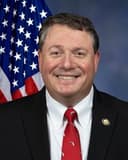
1 + 0
R· Florida
YRS IN OFFICE
1
BILLS LED
30
ACTION TIMELINE
2 EVENTSJUN 27
Submitted in House
JUN 27
Referred to the House Committee on the Judiciary.
BILL INFO
TypeHouse Resolution
NumberHRES 556
Congress119th
StatusIn Committee
IntroducedJun 27, 2025
Last actionJun 27, 2025
READER REACTIONS
OVERALL SENTIMENT
No reactions yet. Be the first to weigh in.
Discussion
Loading comments...
IN COMMITTEE· 119TH CONGRESS · JUDICIARY COMMITTEE · INTRODUCED JUN 27, 2025
House Res.HRES 556Law
Impeaching Charles R. Breyer, Senior Judge of the United States District Court for the Northern District of California, for high crimes and misdemeanors.
INTRODUCED JUN 27, 2025· LAST ACTION JUN 27, 2025
PASSAGE CHANCES
—%
READING
3 min
COSPONSORS
0
COMPLEXITY
Moderate