Bills · HRES 487
IN COMMITTEE· 119TH CONGRESS
House Res.HRES 487Families
Expressing the sense of the House of Representatives that fatherhood is essential to the development of all children, and that the increased involvement of fathers in the home will lead to economic prosperity, educational excellence, and improved social mobility for children across all racial and ethnic groups.
INTRO JUN 6· LAST ACTION JUN 6
READING
3MIN
COSPONSORS
2
READER REACTIONS0 TOTAL
NO VOTES YET · BE THE FIRST
- Non-binding
- Commemorative
LEGISLATIVE PROGRESS
STEP 2 / 8Introduced
In Committee
Reported
Passed House
Passed Senate
Conference
To President
Became Law
WHAT THE BILL DOES
AI-writtenThis resolution matters because it officially declares the House of Representatives' stance on the significant role of fatherhood and its perceived connection to societal well-being, including economic prosperity and educational achievement. While it does not create new laws, it signals legislative priorities and can set the stage for future policy actions.
If this resolution is passed, it means the House has formally endorsed these views, potentially leading to new programs, adjustments to existing welfare policies, or changes in how child custody and support are handled, all aimed at increasing father involvement. If it doesn't pass, it simply means the House hasn't formally declared this collective belief, but it would not prevent individual members from pursuing related policies.
KEY PROVISIONS
3AI-extractedPROVISION 01
The House formally states that fathers are vital for children's care, nurturing, and overall development, connecting active fatherhood to economic prosperity, educational excellence, and improved social mobility.
This establishes a clear official position by the House on the foundational role of fathers in societal well-being.
PROVISION 02
The House recognizes fatherlessness as a root cause of societal issues, acknowledges the impact of the criminal justice system, and identifies misaligned incentives in federal welfare programs that may hinder fathers' involvement.
This indicates a legislative intent to investigate and potentially reform existing policies and systems that may contribute to fatherlessness.
PROVISION 03
The House commits to researching the causes of fatherlessness and crafting public policy that supports and encourages fully engaged fatherhood, including exploring tax incentives for fathers in foster parenting and mentoring programs, and addressing child custody and support.
This outlines specific areas where the House plans to consider legislative action to encourage greater father engagement and develop future legislation.
SPONSORSHIP
1 + 2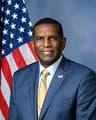
R· Utah
YRS IN OFFICE
5
BILLS LED
28
COSPONSOR BREAKDOWNBIPARTISAN · 0%
DEM 0 REP 2 IND 0
ACTION TIMELINE
3 EVENTSJUN 6
Submitted in House
JUN 6
Sponsor introductory remarks on measure. (CR H2515)
JUN 6
Referred to the Committee on Education and Workforce, and in addition to the Committees on the Judiciary, and Ways and Means, for a period to be subsequently determined by the Speaker, in each case for consideration of such provisions as fall within the jurisdiction of the committee concerned.
BILL INFO
TypeHouse Resolution
NumberHRES 487
Congress119th
StatusIn Committee
IntroducedJun 6, 2025
Last actionJun 6, 2025
READER REACTIONS
OVERALL SENTIMENT
No reactions yet. Be the first to weigh in.
Discussion
Loading comments...
IN COMMITTEE· 119TH CONGRESS · JUDICIARY COMMITTEE · INTRODUCED JUN 6, 2025
House Res.HRES 487Families
Expressing the sense of the House of Representatives that fatherhood is essential to the development of all children, and that the increased involvement of fathers in the home will lead to economic prosperity, educational excellence, and improved social mobility for children across all racial and ethnic groups.
INTRODUCED JUN 6, 2025· LAST ACTION JUN 6, 2025
PASSAGE CHANCES
—%
READING
3 min
COSPONSORS
2
COMPLEXITY
Moderate