Bills · HRES 397
IN COMMITTEE· 119TH CONGRESS
House Res.HRES 397Commerce
Supporting the designation of May 8, 2025, as "National Scam Survivor Day".
INTRO MAY 7· LAST ACTION MAY 7
READING
3MIN
COSPONSORS
2BIPARTISAN
READER REACTIONS0 TOTAL
NO VOTES YET · BE THE FIRST
- Non-binding
LEGISLATIVE PROGRESS
STEP 2 / 8Introduced
In Committee
Reported
Passed House
Passed Senate
Conference
To President
Became Law
WHAT THE BILL DOES
AI-writtenAmerican citizens and businesses would be most directly affected, particularly those who have been victims of scams, who might find a sense of recognition and reduced stigma. Specific groups highlighted as frequently targeted include veterans, seniors (ages 50-80), and young adults. People in these groups, or anyone vulnerable to new scam tactics like those involving social media or artificial intelligence, could benefit from increased public awareness and access to prevention resources.
The bill also implicitly affects organizations involved in scam prevention and victim support, such as the Federal Trade Commission, the Better Business Bureau, law enforcement, and other governmental, private, and nonprofit organizations, by encouraging their collaborative efforts and emphasizing the importance of their work.
KEY PROVISIONS
5AI-extractedPROVISION 01
Supports the official designation of May 8, 2025, as "National Scam Survivor Day."
This aims to formally recognize the impact of scams and provide a dedicated day for awareness and support.
PROVISION 02
Encourages increased public awareness about various types of scams and effective strategies to prevent or address them.
Raising awareness is crucial for helping people identify and avoid falling victim to scams.
PROVISION 03
Calls for improving public access to resources for scam prevention and encourages Americans to use Federal Government resources.
Ensures that individuals have the tools and information needed to protect themselves and report scams.
PROVISION 04
Recognizes the importance of encouraging scam survivors to share their stories to combat stigma and help others.
Reducing the stigma helps survivors seek assistance and potentially prevents future victims.
PROVISION 05
Supports the role of Federal and local law enforcement in addressing scams and encourages ongoing improvements in their efforts to hold scammers accountable.
Law enforcement is critical for investigating scams, apprehending criminals, and protecting the public.
SPONSORSHIP
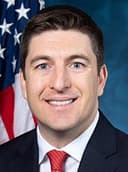
1 + 2
R· Wisconsin
YRS IN OFFICE
7
BILLS LED
35
COSPONSOR BREAKDOWNBIPARTISAN · 100%
DEM 1 REP 1 IND 0
ACTION TIMELINE
2 EVENTSMAY 7
Submitted in House
MAY 7
Referred to the House Committee on Energy and Commerce.
BILL INFO
TypeHouse Resolution
NumberHRES 397
Congress119th
StatusIn Committee
IntroducedMay 7, 2025
Last actionMay 7, 2025
READER REACTIONS
OVERALL SENTIMENT
No reactions yet. Be the first to weigh in.
Discussion
Loading comments...
IN COMMITTEE· 119TH CONGRESS · ENERGY AND COMMERCE COMMITTEE · INTRODUCED MAY 7, 2025
House Res.HRES 397Commerce
Supporting the designation of May 8, 2025, as "National Scam Survivor Day".
INTRODUCED MAY 7, 2025· LAST ACTION MAY 7, 2025
PASSAGE CHANCES
—%
READING
3 min
COSPONSORS
2
COMPLEXITY
Moderate