Bills · HRES 353
IN COMMITTEE· 119TH CONGRESS
House Res.HRES 353DenmarkTransportation programs funding
Impeaching Donald John Trump, President of the United States, for high crimes and misdemeanors.
INTRO APR 28· LAST ACTION MAY 13
READING
27MIN
COSPONSORS
5
READER REACTIONS0 TOTAL
NO VOTES YET · BE THE FIRST
- Non-binding
LEGISLATIVE PROGRESS
STEP 2 / 8Introduced
In Committee
Reported
Passed House
Passed Senate
Conference
To President
Became Law
WHAT THE BILL DOES
AI-writtenVoters should care about this resolution because it represents a fundamental check and balance on presidential power, as outlined in the U.S. Constitution. If this resolution passes the House, it would trigger a Senate trial that could lead to the removal of a sitting President, which is one of the most serious actions Congress can take. It forces a national discussion on what constitutes an abuse of presidential power and whether a President's actions warrant removal from office.
If this resolution is adopted by the House and leads to a conviction in the Senate, it would result in the immediate removal of Donald Trump from the presidency. If it doesn't pass the House, or if he is acquitted by the Senate, he would remain in office. The outcome has significant implications for the direction of the country, the integrity of governmental institutions, and public trust in leadership.
KEY PROVISIONS
5AI-extractedPROVISION 01
The resolution formally declares Donald John Trump impeached for "high crimes and misdemeanors."
This is the central legal declaration that initiates the constitutional process for potentially removing a President from office.
PROVISION 02
Article I accuses the President of specific actions, including directing subordinates to mislead courts, defying court orders, unlawful removals of individuals and officials, and improper sharing of private information.
These detailed charges form the basis of the House's case for impeachment, alleging grave abuses of presidential power and challenges to the rule of law.
PROVISION 03
Specific allegations under Article I include seeking to dismiss charges against New York City Mayor Eric Adams for political gain, and terminating Department of Justice attorneys in retaliation for their investigatory work, including related to the January 6th attack.
These specific examples illustrate the alleged patterns of presidential misconduct and directly challenge the impartiality and independence of the justice system.
PROVISION 04
Article I cites instances of removing persons from the U.S. despite court orders, including a specific individual (Kilmar Armando Abrego Garcia), and conducting "enforced disappearances."
These allegations suggest a disregard for the judicial branch and the fundamental rights of individuals under the Constitution.
PROVISION 05
Article II begins to allege that the President unlawfully took over Congress's power to decide how government money is spent, though the provided text is incomplete.
This article, if fully detailed, would challenge the President's adherence to the constitutional separation of powers regarding government spending.
SPONSORSHIP
1 + 5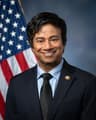
D· Michigan
YRS IN OFFICE
3
BILLS LED
41
COSPONSOR BREAKDOWNBIPARTISAN · 0%
DEM 5 REP 0 IND 0
ACTION TIMELINE
4 EVENTSMAY 13
Sponsor introductory remarks on measure. (CR H1953)
MAY 13
NOTIFICATION OF INTENT TO OFFER RESOLUTION - Mr. Thanedar notified the House of his intent to offer a privileged resolution pursuant to clause 2(a)(1) of rule IX. The Chair announced that a determination will be made at the time designated for consideration of the resolution.
APR 28
Submitted in House
APR 28
Referred to the House Committee on the Judiciary.
BILL INFO
TypeHouse Resolution
NumberHRES 353
Congress119th
StatusIn Committee
IntroducedApr 28, 2025
Last actionMay 13, 2025
READER REACTIONS
OVERALL SENTIMENT
No reactions yet. Be the first to weigh in.
Discussion
Loading comments...
IN COMMITTEE· 119TH CONGRESS · JUDICIARY COMMITTEE · INTRODUCED APR 28, 2025
House Res.HRES 353DenmarkTransportation programs funding
Impeaching Donald John Trump, President of the United States, for high crimes and misdemeanors.
INTRODUCED APR 28, 2025· LAST ACTION MAY 13, 2025
PASSAGE CHANCES
—%
READING
27 min
COSPONSORS
5
COMPLEXITY
Moderate