Bills · HRES 347
IN COMMITTEE· 119TH CONGRESS
House Res.HRES 347Environmental Protection
Recognizing the significant impact and legacy of Cecil Corbin-Mark in the environmental justice community and further recognizing that climate change most severely impacts vulnerable and disadvantaged communities in the United States and around the world, and that it is the responsibility of the United States Government to work with its global partners to promote environmental justice.
INTRO APR 24· LAST ACTION APR 24
READING
5MIN
COSPONSORS
0
READER REACTIONS0 TOTAL
NO VOTES YET · BE THE FIRST
- Non-binding
- Commemorative
LEGISLATIVE PROGRESS
STEP 2 / 8Introduced
In Committee
Reported
Passed House
Passed Senate
Conference
To President
Became Law
WHAT THE BILL DOES
AI-writtenVoters should care about this bill because, while it doesn't create new laws or spending, it signals what issues and values the House of Representatives considers important. By formally recognizing the legacy of Cecil Corbin-Mark, it elevates awareness of the environmental justice movement and its goals. More broadly, it asserts that the U.S. has a moral and governmental responsibility to address climate change's uneven impacts on vulnerable populations globally.
If this resolution passes, it could influence how future climate change policies are developed and prioritized, encouraging a focus on equity and international cooperation. It sends a message to other countries about the U.S.'s stance on global climate justice and could shape diplomatic efforts. If it doesn't pass, the absence of such a formal statement might suggest a lesser emphasis on these specific aspects of climate change and international collaboration within the House.
KEY PROVISIONS
5AI-extractedPROVISION 01
Recognizes the significant contributions of Cecil Corbin-Mark to the environmental justice movement and acknowledges that climate change disproportionately affects vulnerable communities globally.
This formal recognition honors a key figure in environmental justice and officially acknowledges the unequal burden of climate change.
PROVISION 02
States that the U.S. Government has a responsibility to work with international partners to promote environmental and climate justice.
This establishes a declared commitment from the U.S. House of Representatives towards global equity in climate action.
PROVISION 03
Urges the U.S. Government to expand collaboration with global partners on policies that prioritize climate adaptation for vulnerable and disadvantaged communities, especially minority communities.
This calls for concrete international action focused on protecting communities most at risk from climate change, despite being least responsible for its causes.
PROVISION 04
Emphasizes the need for all countries to promote adaptation strategies focused on vulnerable communities across sectors like agriculture, infrastructure, and health.
This advocates for a universal approach to climate adaptation that centers the needs of those most impacted.
PROVISION 05
Declares that immediate, multilateral action is needed to drastically reduce global greenhouse gas emissions to mitigate the effects of climate change.
This highlights the urgency and necessity of global cooperation in reducing pollution that drives climate change.
SPONSORSHIP
1 + 0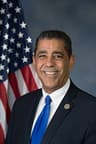
D· New York
YRS IN OFFICE
9
BILLS LED
47
ACTION TIMELINE
2 EVENTSAPR 24
Submitted in House
APR 24
Referred to the House Committee on Foreign Affairs.
BILL INFO
TypeHouse Resolution
NumberHRES 347
Congress119th
StatusIn Committee
IntroducedApr 24, 2025
Last actionApr 24, 2025
READER REACTIONS
OVERALL SENTIMENT
No reactions yet. Be the first to weigh in.
Discussion
Loading comments...
IN COMMITTEE· 119TH CONGRESS · FOREIGN AFFAIRS COMMITTEE · INTRODUCED APR 24, 2025
House Res.HRES 347Environmental Protection
Recognizing the significant impact and legacy of Cecil Corbin-Mark in the environmental justice community and further recognizing that climate change most severely impacts vulnerable and disadvantaged communities in the United States and around the world, and that it is the responsibility of the United States Government to work with its global partners to promote environmental justice.
INTRODUCED APR 24, 2025· LAST ACTION APR 24, 2025
PASSAGE CHANCES
—%
READING
5 min
COSPONSORS
0
COMPLEXITY
Moderate