Bills · HRES 298
IN COMMITTEE· 119TH CONGRESS
House Res.HRES 298Health
Expressing support for the designation of April 7, 2025, as "World Health Day" and recognizing the importance of prioritizing public health nationally and globally.
INTRO APR 7· LAST ACTION APR 7
READING
3MIN
COSPONSORS
5
READER REACTIONS0 TOTAL
NO VOTES YET · BE THE FIRST
- Non-binding
LEGISLATIVE PROGRESS
STEP 2 / 8Introduced
In Committee
Reported
Passed House
Passed Senate
Conference
To President
Became Law
WHAT THE BILL DOES
AI-writtenThis resolution matters because it's a way for members of Congress to officially voice their concern and commitment to improving public health, both within the U.S. and globally. While it doesn't enact any new laws or allocate money, it brings national attention to critical issues like declining life expectancy, high healthcare costs, and disparities in access to care, especially for vulnerable populations. It also signals that the House of Representatives recognizes the importance of mental health and the welfare of healthcare workers.
If passed, it means the House has formally endorsed these statements, potentially influencing future legislative discussions and public discourse on health policy. It can also encourage government agencies and other organizations to prioritize these issues. If it doesn't pass, it means the House hasn't officially agreed to these statements as a body, but it wouldn't prevent individual members from advocating for the same causes.
KEY PROVISIONS
4AI-extractedPROVISION 01
The House of Representatives expresses support for designating April 7, 2025, as "World Health Day."
This officially aligns the U.S. House with international efforts to raise global health awareness.
PROVISION 02
The resolution acknowledges that children, seniors, and people of color in marginalized communities are most impacted by a lack of quality healthcare.
This highlights specific disparities and identifies populations in critical need of improved health access.
PROVISION 03
It recognizes that interagency coordination and collaboration are essential for the well-being and development of children.
This emphasizes the need for a unified government approach to supporting children's health and future.
PROVISION 04
It recognizes that no single healthcare program will fit all communities, implying a need for diverse solutions.
This suggests a nuanced understanding that different populations have unique health challenges requiring tailored approaches.
SPONSORSHIP
1 + 5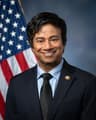
D· Michigan
YRS IN OFFICE
3
BILLS LED
41
COSPONSOR BREAKDOWNBIPARTISAN · 0%
DEM 5 REP 0 IND 0
ACTION TIMELINE
2 EVENTSAPR 7
Submitted in House
APR 7
Referred to the House Committee on Energy and Commerce.
BILL INFO
TypeHouse Resolution
NumberHRES 298
Congress119th
StatusIn Committee
IntroducedApr 7, 2025
Last actionApr 7, 2025
READER REACTIONS
OVERALL SENTIMENT
No reactions yet. Be the first to weigh in.
Discussion
Loading comments...
IN COMMITTEE· 119TH CONGRESS · ENERGY AND COMMERCE COMMITTEE · INTRODUCED APR 7, 2025
House Res.HRES 298Health
Expressing support for the designation of April 7, 2025, as "World Health Day" and recognizing the importance of prioritizing public health nationally and globally.
INTRODUCED APR 7, 2025· LAST ACTION APR 7, 2025
PASSAGE CHANCES
—%
READING
3 min
COSPONSORS
5
COMPLEXITY
Moderate