Bills · HRES 188
IN COMMITTEE· 119TH CONGRESS
House Res.HRES 188Government Operations and Politics
Affirming the obligation of the President of the United States to comply with court orders.
INTRO MAR 4· LAST ACTION MAR 4
READING
4MIN
COSPONSORS
25
READER REACTIONS0 TOTAL
NO VOTES YET · BE THE FIRST
- Non-binding
LEGISLATIVE PROGRESS
STEP 2 / 8Introduced
In Committee
Reported
Passed House
Passed Senate
Conference
To President
Became Law
WHAT THE BILL DOES
AI-writtenVoters should care about this resolution because it addresses a core principle of American democracy: the rule of law and the separation of powers. If the President, or any branch of government, does not respect and follow court orders, it undermines the system of checks and balances designed to prevent any single branch from becoming too powerful. This could lead to a situation where the executive branch acts without legal constraints, potentially impacting citizens' rights, federal programs, and the overall stability of governance.
If this resolution becomes law (though as a resolution, it is primarily a statement of congressional opinion and doesn't have the force of law), it would represent a strong, public affirmation by the legislative branch of the judiciary's authority and the executive's duty to comply. If it doesn't pass, it might be interpreted by some as a less unified stance by Congress on this fundamental principle, potentially emboldening future challenges to judicial authority and raising concerns about accountability within the executive branch.
KEY PROVISIONS
3AI-extractedPROVISION 01
Affirms the vital role of the judiciary in maintaining checks and balances among the three branches of the U.S. Government.
This provision reinforces the idea that courts are essential for keeping the executive and legislative branches in check.
PROVISION 02
Calls on President Donald J. Trump and his administration to immediately follow all existing court orders and decisions.
This provision directly addresses the current executive branch and demands compliance with judicial rulings on specific issues.
PROVISION 03
Affirms the judiciary's authority to use all constitutional and congressional tools to enforce its orders.
This provision supports the courts' power to ensure their decisions are carried out, even if the executive branch resists.
SPONSORSHIP
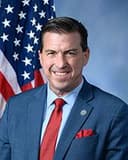
1 + 25
D· California
YRS IN OFFICE
3
BILLS LED
33
COSPONSOR BREAKDOWNBIPARTISAN · 0%
DEM 25 REP 0 IND 0
ACTION TIMELINE
2 EVENTSMAR 4
Submitted in House
MAR 4
Referred to the House Committee on the Judiciary.
BILL INFO
TypeHouse Resolution
NumberHRES 188
Congress119th
StatusIn Committee
IntroducedMar 4, 2025
Last actionMar 4, 2025
READER REACTIONS
OVERALL SENTIMENT
No reactions yet. Be the first to weigh in.
Discussion
Loading comments...
IN COMMITTEE· 119TH CONGRESS · JUDICIARY COMMITTEE · INTRODUCED MAR 4, 2025
House Res.HRES 188Government Operations and Politics
Affirming the obligation of the President of the United States to comply with court orders.
INTRODUCED MAR 4, 2025· LAST ACTION MAR 4, 2025
PASSAGE CHANCES
—%
READING
4 min
COSPONSORS
25
COMPLEXITY
Moderate