Expressing support for the recognition of October 2026, as "World Menopause Awareness Month" and for global awareness and access to care during menopausal transition and post-menopause.
Supports an October 2026 awareness month and better menopause information, care, training, and research.
In three House committees since Oct. 5, 2026, 3 days after it was introduced. Most bills never leave committee.
- INTRODUCEDINTROOCT 5, 2026
- COMMITTEECOMM.IN COMMITTEE
- AGREED TOAGREED—
What the bill would do, and why it matters
Menopause can affect health, daily life, and work, and people may need information and care during the transition and afterward. The resolution supports recognizing October 2026 as World Menopause Awareness Month and promotes menopause education, access to care, and research.
- NON-BINDING A simple resolution carries no force of law. It expresses the chamber's opinion or sets internal rules — it does not bind agencies, the President, or anyone outside Congress.
- COMMEMORATIVE This measure honors, congratulates or commemorates, or marks an observance such as an awareness day or month. It creates no legal obligations.
- DATA NOTE No Congressional Research Service summary was available.
- Supports an awareness month
Expresses support for recognizing October 2026 as World Menopause Awareness Month and recognizes menopause’s effects on health and economic life.
- Encourages agency information and research
Encourages the Secretaries of Health and Human Services, Defense, and Veterans Affairs to share menopause information and treatment options, conduct research, and update available information and tools.
- Promotes menopause training for health workers
Promotes including information about menopause and treatment options in health workers’ pre-service training.
- Supports access to health information and care
Supports women having access to appropriate information and services to promote healthy aging and quality of life before, during, and after menopause.
The resolution cites limited guidance for women entering menopause and says symptoms can affect daily life, work, and quality of life. It also cites possible links to osteoporosis, heart disease, and stroke.
It points to available treatments while saying additional clinical research and treatment options are still needed. The measure aims to increase awareness and support better information and care.
Written from the bill text.
The path it took, step by step
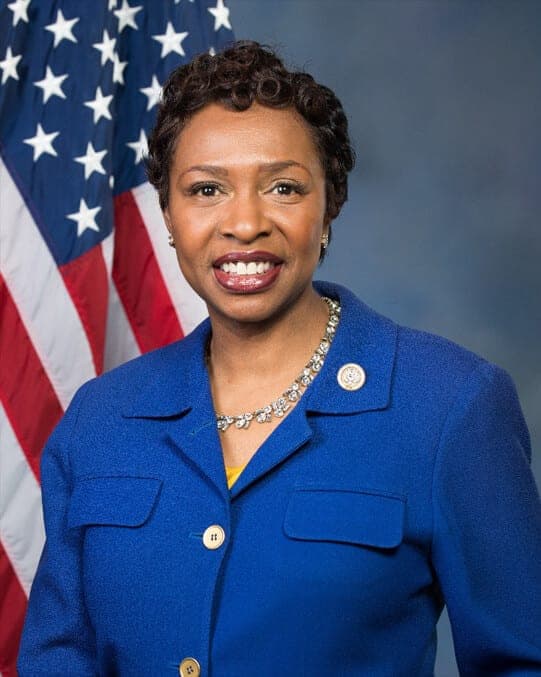
- IntroducedOCT 5, 2026HOUSEOCT 5, 2026By Rep. Clarke with 15 original cosponsorsReferred to Armed Services, Energy and Commerce and Veterans' Affairs
- SAME DAYNOWCommitteeOCT 5, 2026ARMED SERVICES · ENERGY & COMMERCE +1 NOWOCT 5, 2026In committee for 3 daysNo hearing yet
- 3 DAYS SO FARAgreed to in the House—HOUSE FLOOR—Not scheduled
- OCT 52026OCT 5, 2026REFERREDReferred to the Committee on Energy and Commerce, and in addition to the Committees on Armed Services, and Veterans' Affairs, for a period to be subsequently determined by the Speaker, in each case for consideration of such provisions as fall within the jurisdiction of the committee concerned.
- OCT 52026OCT 5, 2026INTRODUCEDHOUSESubmitted in House
Where your members stand on it
A coalition from 13 states
Plus the sponsor, a Democrat. The smaller side has 2 members.
Plus the sponsor, a Democrat. The smaller side has 2 members.
Rep. Clarke’s record: sponsored 23 bills this Congress. 0 passed the House; 0 became law.
- Nanette Diaz BarragánD-CA-44ORIGINAL
- Judy ChuD-CA-28ORIGINAL
- Jasmine CrockettD-TX-30ORIGINAL
- Madeleine DeanD-PA-4ORIGINAL
- Robin L. KellyD-IL-2ORIGINAL
- Julia LetlowR-LA-5ORIGINAL
- Nicole MalliotakisR-NY-11ORIGINAL
- Gwen MooreD-WI-4ORIGINAL
- Eleanor Holmes NortonD-DC-ALORIGINAL
- Brittany PettersenD-CO-7ORIGINAL
- Terri A. SewellD-AL-7ORIGINAL
- Marilyn StricklandD-WA-10ORIGINAL
What readers think
Discussion
Get an alert when it gets a floor vote in the House or is agreed to.