Bills · HRES 142
IN COMMITTEE· 119TH CONGRESS
House Res.HRES 142National symbolsJapan
Recognizing the 80th anniversary of the amphibious landing on the Japanese island of Iwo Jima during World War II and the raisings of the flag of the United States on Mount Suribachi.
INTRO FEB 18· LAST ACTION FEB 18
READING
6MIN
COSPONSORS
3BIPARTISAN
READER REACTIONS0 TOTAL
NO VOTES YET · BE THE FIRST
- Non-binding
- Commemorative
LEGISLATIVE PROGRESS
STEP 2 / 8Introduced
In Committee
Reported
Passed House
Passed Senate
Conference
To President
Became Law
WHAT THE BILL DOES
AI-writtenThis resolution matters because it's a way for the U.S. government to officially acknowledge and honor a pivotal moment in American history and the immense sacrifices made during World War II. In a time when the number of living World War II veterans is rapidly declining, such recognition ensures their stories and heroism are not forgotten.
By encouraging public remembrance, the resolution helps maintain historical awareness and fosters a sense of national gratitude and unity. It also reinforces the bonds of friendship with Japan, a former adversary now a close ally, demonstrating how nations can move beyond conflict. If this resolution doesn't pass, the 80th anniversary would still be observed, but without this formal, symbolic statement of recognition and honor from the House of Representatives, which carries significant weight for many veterans and their families.
KEY PROVISIONS
5AI-extractedPROVISION 01
The House recognizes the 80th anniversary of the amphibious landing on Iwo Jima and the dates of the iconic flag raisings on Mount Suribachi.
This formally acknowledges a significant historical event and the symbolic moment that defined it.
PROVISION 02
The resolution honors all American service members who fought bravely on Iwo Jima, including thousands of Japanese soldiers who defended the island, and remembers those who died in battle.
It pays tribute to the courage and sacrifice of all individuals involved in the conflict, regardless of their nationality.
PROVISION 03
It reaffirms the strong bonds of friendship between the United States and Japan.
This highlights the transformed relationship between the former adversaries into enduring allies.
PROVISION 04
The House encourages the people of the United States to honor the veterans of the Battle of Iwo Jima through appropriate programs and ceremonies.
This aims to foster public engagement in remembrance and ensure the legacy of these veterans is passed on.
PROVISION 05
The resolution honors the service and sacrifice of current American service members, connecting their efforts to the proud tradition of those who served before them.
This acknowledges the continuing commitment of military personnel and builds a bridge between past and present service.
SPONSORSHIP
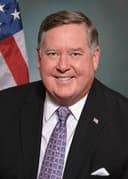
1 + 3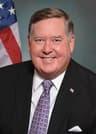
R· California
YRS IN OFFICE
33
BILLS LED
26
COSPONSOR BREAKDOWNBIPARTISAN · 66%
DEM 1 REP 2 IND 0
ACTION TIMELINE
2 EVENTSFEB 18
Submitted in House
FEB 18
Referred to the Committee on Armed Services, and in addition to the Committee on Foreign Affairs, for a period to be subsequently determined by the Speaker, in each case for consideration of such provisions as fall within the jurisdiction of the committee concerned.
BILL INFO
TypeHouse Resolution
NumberHRES 142
Congress119th
StatusIn Committee
IntroducedFeb 18, 2025
Last actionFeb 18, 2025
READER REACTIONS
OVERALL SENTIMENT
No reactions yet. Be the first to weigh in.
Discussion
Loading comments...
IN COMMITTEE· 119TH CONGRESS · ARMED SERVICES COMMITTEE · INTRODUCED FEB 18, 2025
House Res.HRES 142National symbolsJapan
Recognizing the 80th anniversary of the amphibious landing on the Japanese island of Iwo Jima during World War II and the raisings of the flag of the United States on Mount Suribachi.
INTRODUCED FEB 18, 2025· LAST ACTION FEB 18, 2025
PASSAGE CHANCES
—%
READING
6 min
COSPONSORS
3
COMPLEXITY
Moderate