Bills · HRES 1120
IN COMMITTEE· 119TH CONGRESS
House Res.HRES 1120Health
Supporting the recognition of March 14, 2026, as "Black Midwives Day" and the longstanding and invaluable contributions of Black midwives to maternal and infant health in the United States.
INTRO MAR 17· LAST ACTION MAR 17
READING
8MIN
COSPONSORS
2
READER REACTIONS0 TOTAL
NO VOTES YET · BE THE FIRST
- Non-binding
LEGISLATIVE PROGRESS
STEP 2 / 8Introduced
In Committee
Reported
Passed House
Passed Senate
Conference
To President
Became Law
WHAT THE BILL DOES
AI-writtenVoters should care about this resolution because it shines a spotlight on a severe public health crisis in the United States: the alarmingly high rates of maternal mortality and complications, which disproportionately affect Black women. It also draws attention to areas where access to maternity care is extremely limited, known as "maternity care deserts."
By officially recognizing "Black Midwives Day" and the value of Black midwives, this resolution promotes a proven solution for improving health outcomes and addressing these disparities. While it's a symbolic gesture, such recognition from Congress can legitimize the work of midwives, encourage public discourse, and potentially lay the groundwork for future policy or funding decisions aimed at strengthening the midwifery workforce and improving maternal healthcare across the country.
KEY PROVISIONS
4AI-extractedPROVISION 01
Supports the designation of March 14, 2026, as "Black Midwives Day."
This provides official congressional recognition to Black midwives, honoring their unique contributions to maternal and infant health.
PROVISION 02
Acknowledges the longstanding and invaluable contributions of Black midwives to maternal and infant health in the United States.
It formally recognizes the historical and ongoing importance of Black midwives in improving health outcomes for mothers and babies, particularly in Black communities.
PROVISION 03
Highlights the "maternity care desert crisis" and the disproportionately high maternal mortality rates for Black women.
This provision uses the resolution to raise public awareness and educate policymakers about critical disparities and access issues in maternal health.
PROVISION 04
Emphasizes that increasing the number of Black midwives and fully integrating midwifery care can address health disparities and the maternity care desert crisis.
It advocates for specific solutions to improve maternal health by strengthening the midwifery workforce and its role within the healthcare system.
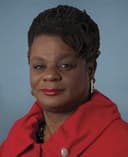
SPONSORSHIP
1 + 2
D· Wisconsin
YRS IN OFFICE
21
BILLS LED
34
COSPONSOR BREAKDOWNBIPARTISAN · 0%
DEM 2 REP 0 IND 0
ACTION TIMELINE
2 EVENTSMAR 17
Submitted in House
MAR 17
Referred to the Committee on Energy and Commerce, and in addition to the Committee on Armed Services, for a period to be subsequently determined by the Speaker, in each case for consideration of such provisions as fall within the jurisdiction of the committee concerned.
BILL INFO
TypeHouse Resolution
NumberHRES 1120
Congress119th
StatusIn Committee
IntroducedMar 17, 2026
Last actionMar 17, 2026
READER REACTIONS
OVERALL SENTIMENT
No reactions yet. Be the first to weigh in.
Discussion
Loading comments...
IN COMMITTEE· 119TH CONGRESS · ARMED SERVICES COMMITTEE · INTRODUCED MAR 17, 2026
House Res.HRES 1120Health
Supporting the recognition of March 14, 2026, as "Black Midwives Day" and the longstanding and invaluable contributions of Black midwives to maternal and infant health in the United States.
INTRODUCED MAR 17, 2026· LAST ACTION MAR 17, 2026
PASSAGE CHANCES
—%
READING
8 min
COSPONSORS
2
COMPLEXITY
Moderate