Bills · HR 976
REPORTED· 119TH CONGRESS
House BillHR 976Consumer creditBanking and financial institutions regulation
1071 Repeal to Protect Small Business Lending Act
INTRO FEB 4· LAST ACTION MAY 6
READING
3MIN
COSPONSORS
52
READER REACTIONS0 TOTAL
NO VOTES YET · BE THE FIRST
- Reported, not passed
LEGISLATIVE PROGRESS
STEP 3 / 8Introduced
In Committee
Reported
Passed House
Passed Senate
Conference
To President
Became Law
WHAT THE BILL DOES
AI-writtenThis bill matters because it directly impacts how small businesses get loans and how fair the lending process is. If it becomes law, banks will have fewer regulatory hurdles, which could potentially speed up loan applications and encourage more lending to small businesses, as the bill's supporters contend. This could be a boost for local economies and job creation.
However, if this bill doesn't become law, the current data collection requirements will remain. This data is used to identify and address potential discrimination in small business lending, ensuring that all businesses, regardless of the owner's background, have an equal chance at getting credit. By removing these requirements, policymakers and the public would lose a key tool for ensuring transparency and accountability in the small business lending market.
KEY PROVISIONS
3AI-extractedPROVISION 01
Repeals Section 704B of the Equal Credit Opportunity Act (ECOA), which mandates data collection for small business loans.
This provision eliminates the core legal requirement for financial institutions to collect specific information on small business loan applicants and their businesses.
PROVISION 02
Repeals Section 1071 of the Dodd-Frank Wall Street Reform and Consumer Protection Act.
This removes the original legislative source that added the small business loan data collection requirements to the ECOA.
PROVISION 03
Makes conforming amendments to the Dodd-Frank Act and the Equal Credit Opportunity Act.
These changes ensure that other parts of these laws are updated to reflect the removal of the data collection requirements.
SPONSORSHIP
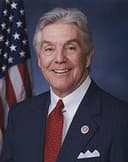
1 + 52
R· Texas
YRS IN OFFICE
13
BILLS LED
40
COSPONSOR BREAKDOWNBIPARTISAN · 0%
DEM 0 REP 52 IND 0
ACTION TIMELINE
6 EVENTSMAY 6
Reported (Amended) by the Committee on Financial Services. H. Rept. 119-91.
MAY 6
Placed on the Union Calendar, Calendar No. 65.
APR 2
Committee Consideration and Mark-up Session Held
APR 2
Ordered to be Reported (Amended) by the Yeas and Nays: 27 - 22.
BILL INFO
TypeHouse Bill
NumberHR 976
Congress119th
StatusReported
IntroducedFeb 4, 2025
Last actionMay 6, 2025
READER REACTIONS
OVERALL SENTIMENT
No reactions yet. Be the first to weigh in.
Discussion
Loading comments...
REPORTED· 119TH CONGRESS · FINANCIAL SERVICES COMMITTEE · INTRODUCED FEB 4, 2025
House BillHR 976Consumer creditBanking and financial institutions regulation
1071 Repeal to Protect Small Business Lending Act
INTRODUCED FEB 4, 2025· LAST ACTION MAY 6, 2025
PASSAGE CHANCES
—%
READING
3 min
COSPONSORS
52
COMPLEXITY
Moderate