Bills · HR 938
IN COMMITTEE· 119TH CONGRESS
House BillHR 938Civil actions and liabilityGovernment studies and investigations
No Contracts with Foreign Adversaries Act
INTRO FEB 4· LAST ACTION FEB 4
READING
10MIN
COSPONSORS
1
READER REACTIONS0 TOTAL
NO VOTES YET · BE THE FIRST
- Introduced only
LEGISLATIVE PROGRESS
STEP 2 / 8Introduced
In Committee
Reported
Passed House
Passed Senate
Conference
To President
Became Law
WHAT THE BILL DOES
AI-writtenThis bill matters because it directly impacts the ability of U.S. higher education institutions to engage in international partnerships, particularly with countries or entities that the government views as potential threats. If passed, it could significantly alter the landscape of academic collaboration, potentially limiting access to certain research funding or educational programs from specific foreign sources. Voters should care because it represents a balance between national security concerns and academic freedom, potentially affecting the diversity of thought, research advancements, and global engagement opportunities available at American universities.
If this bill becomes law, universities will face a stricter vetting process for international contracts and could be forced to terminate existing agreements. If it doesn't become law, universities would continue to operate under existing regulations, which may not include the same level of federal oversight and restrictions on contracts with designated foreign adversaries. The debate revolves around whether the current level of international academic engagement poses unacceptable national security risks and if this level of federal control is the appropriate solution.
KEY PROVISIONS
4AI-extractedPROVISION 01
Prohibits U.S. colleges and universities from entering into contracts with "foreign countries of concern" or "foreign entities of concern."
This provision directly restricts the international partnerships that higher education institutions can pursue, fundamentally changing how they engage with certain foreign actors.
PROVISION 02
Establishes a waiver process where the Secretary of Education, in consultation with multiple intelligence and security agencies, can grant one-year waivers for specific contracts.
This creates a mechanism for exceptions, allowing some partnerships to continue if deemed beneficial to U.S. interests and security, but under strict federal oversight.
PROVISION 03
Requires institutions to terminate contracts within 60 days if a foreign partner is designated as a "country of concern" or "entity of concern" after the contract has begun.
This ensures ongoing compliance with the bill's intent, preventing continued engagement with newly identified adversaries.
PROVISION 04
Mandates that institutions seeking waivers designate a compliance officer to certify accurate adherence to waiver requirements.
This provision places direct accountability on institutions to ensure their compliance with the new restrictions.
SPONSORSHIP
1 + 1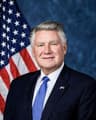
R· North Carolina
YRS IN OFFICE
1
BILLS LED
17
COSPONSOR BREAKDOWNBIPARTISAN · 0%
DEM 0 REP 1 IND 0
ACTION TIMELINE
2 EVENTSFEB 4
Introduced in House
FEB 4
Referred to the House Committee on Education and Workforce.
BILL INFO
TypeHouse Bill
NumberHR 938
Congress119th
StatusIn Committee
IntroducedFeb 4, 2025
Last actionFeb 4, 2025
READER REACTIONS
OVERALL SENTIMENT
No reactions yet. Be the first to weigh in.
Discussion
Loading comments...
IN COMMITTEE· 119TH CONGRESS · EDUCATION AND WORKFORCE COMMITTEE · INTRODUCED FEB 4, 2025
House BillHR 938Civil actions and liabilityGovernment studies and investigations
No Contracts with Foreign Adversaries Act
INTRODUCED FEB 4, 2025· LAST ACTION FEB 4, 2025
PASSAGE CHANCES
—%
READING
10 min
COSPONSORS
1
COMPLEXITY
Moderate