Bills · HR 936
IN COMMITTEE· 119TH CONGRESS
House BillHR 936State and local financeHealth care coverage and access
Medicaid Improvement and State Flexibility Act of 2025
INTRO FEB 4· LAST ACTION FEB 4
READING
3MIN
COSPONSORS
1
READER REACTIONS0 TOTAL
NO VOTES YET · BE THE FIRST
- Introduced only
LEGISLATIVE PROGRESS
STEP 2 / 8Introduced
In Committee
Reported
Passed House
Passed Senate
Conference
To President
Became Law
WHAT THE BILL DOES
AI-writtenThis bill matters because it shifts significant power over a portion of the Medicaid program from the federal government to individual states. If it becomes law, states could design and launch new healthcare delivery models for some low-income residents, tailored to their specific state needs and priorities, without waiting for federal approval. This could mean more innovative approaches to care or, conversely, less standardized benefits across states.
For individuals on Medicaid, it could offer more choice and a financial incentive (the cash-back feature) to manage their primary care and medication spending, potentially leading to different health outcomes depending on how effectively they utilize the new system. However, it also changes the traditional comprehensive benefit structure of Medicaid to a more defined-contribution model for primary care, coupled with catastrophic coverage, which could be a significant shift in how people access ongoing care versus emergency care. If the bill doesn't pass, the current system of federal approval for all Medicaid waivers would remain in place, with less state-level flexibility in designing these types of experimental projects.
KEY PROVISIONS
5AI-extractedPROVISION 01
States can approve and implement specific experimental Medicaid projects without needing federal sign-off.
This fundamentally shifts power from the federal government to states for certain Medicaid innovations.
PROVISION 02
Individuals enrolled in such projects receive an electronic benefits transfer (EBT) card for primary care services and medications.
This changes how beneficiaries pay for routine medical needs, moving towards a defined amount for these services.
PROVISION 03
Unspent funds remaining on the EBT card at the end of the year are given to the individual as a cash payment.
This creates a financial incentive for beneficiaries to manage their primary care and medication spending efficiently.
PROVISION 04
Participants must be enrolled in a state-determined catastrophic insurance program for other services or if primary care funds are exhausted.
This alters the scope of coverage, separating routine care from major medical events and relying on a catastrophic plan for the latter.
PROVISION 05
Federal spending for these state-approved projects must not exceed what would have been spent under traditional Medicaid.
This aims to ensure that increased state flexibility does not lead to higher federal costs for the Medicaid program.
SPONSORSHIP
1 + 1
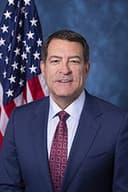
R· Tennessee
YRS IN OFFICE
7
BILLS LED
23
COSPONSOR BREAKDOWNBIPARTISAN · 0%
DEM 0 REP 1 IND 0
ACTION TIMELINE
2 EVENTSFEB 4
Introduced in House
FEB 4
Referred to the House Committee on Energy and Commerce.
BILL INFO
TypeHouse Bill
NumberHR 936
Congress119th
StatusIn Committee
IntroducedFeb 4, 2025
Last actionFeb 4, 2025
READER REACTIONS
OVERALL SENTIMENT
No reactions yet. Be the first to weigh in.
Discussion
Loading comments...
IN COMMITTEE· 119TH CONGRESS · ENERGY AND COMMERCE COMMITTEE · INTRODUCED FEB 4, 2025
House BillHR 936State and local financeHealth care coverage and access
Medicaid Improvement and State Flexibility Act of 2025
INTRODUCED FEB 4, 2025· LAST ACTION FEB 4, 2025
PASSAGE CHANCES
—%
READING
3 min
COSPONSORS
1
COMPLEXITY
Moderate