Bills · HR 924
IN COMMITTEE· 119TH CONGRESS
House BillHR 924Immigration
NO BAN Act
INTRO FEB 4· LAST ACTION FEB 4
READING
9MIN
COSPONSORS
121
READER REACTIONS0 TOTAL
NO VOTES YET · BE THE FIRST
- Introduced only
LEGISLATIVE PROGRESS
STEP 2 / 8Introduced
In Committee
Reported
Passed House
Passed Senate
Conference
To President
Became Law
WHAT THE BILL DOES
AI-writtenThis bill matters because it directly addresses concerns about how presidential power is used to control who enters the U.S., particularly in the context of broad travel bans that have occurred in recent history. If this bill becomes law, it would create significant checks and balances, making it much more difficult for any future president to implement restrictions based on national origin or religion without robust justification, congressional oversight, and judicial review. This would ensure that any entry restrictions are evidence-based, narrowly tailored, and respectful of due process, rather than potentially arbitrary or discriminatory.
For voters, this means a potential shift towards greater transparency and accountability in immigration policy. If the bill doesn't pass, the President's existing broad authority to suspend or restrict entry would remain largely unchanged, leaving open the possibility of future widespread bans with less congressional input or judicial recourse. The bill's focus on preventing discrimination based on religion also speaks to fundamental civil liberties and how the U.S. treats people from diverse backgrounds, impacting the nation's image and its commitment to human rights.
KEY PROVISIONS
5AI-extractedPROVISION 01
Explicitly adds 'religion' as a protected characteristic for immigration purposes, meaning discrimination based on religion is prohibited for immigrant and nonimmigrant visas, entry, and other immigration benefits.
This provision codifies protections against religious discrimination in immigration, aiming to prevent bans targeting specific religious groups.
PROVISION 02
Transfers the authority to determine the need for entry restrictions from the President to the Secretary of State, in consultation with the Secretary of Homeland Security, requiring decisions to be based on specific and credible facts.
This limits the President's unilateral power to impose travel bans and requires a more collaborative, evidence-based decision-making process within the Executive Branch.
PROVISION 03
Establishes strict limitations for any entry restrictions, requiring them to address 'specific acts,' be 'narrowly tailored' using the 'least restrictive means,' have a specified duration, and include a presumption for family-based and humanitarian waivers.
These limitations are designed to prevent broad, indiscriminate bans and ensure that any restrictions are targeted, necessary, and minimize humanitarian impact.
PROVISION 04
Requires the Executive Branch to consult Congress before imposing a restriction and provide a detailed report within 48 hours after, with automatic termination of the restriction if the report is not delivered.
This provision significantly enhances congressional oversight and transparency, creating a critical check on Executive power and ensuring accountability.
PROVISION 05
Grants explicit authority for individuals or entities harmed by a violation of these provisions to file lawsuits in federal court for declaratory or injunctive relief, including class actions.
This ensures judicial review and provides a legal avenue for those affected to challenge unlawful restrictions, strengthening due process protections.
SPONSORSHIP
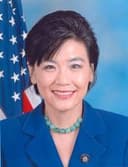
1 + 121
D· California
YRS IN OFFICE
17
BILLS LED
42
COSPONSOR BREAKDOWNBIPARTISAN · 0%
DEM 121 REP 0 IND 0
ACTION TIMELINE
3 EVENTSFEB 4
Introduced in House
FEB 4
Referred to the Committee on the Judiciary, and in addition to the Committees on Foreign Affairs, Homeland Security, and Intelligence (Permanent Select), for a period to be subsequently determined by the Speaker, in each case for consideration of such provisions as fall within the jurisdiction of the committee concerned.
FEB 4
Referred to the Subcommittee on Border Security and Enforcement.
BILL INFO
TypeHouse Bill
NumberHR 924
Congress119th
StatusIn Committee
IntroducedFeb 4, 2025
Last actionFeb 4, 2025
READER REACTIONS
OVERALL SENTIMENT
No reactions yet. Be the first to weigh in.
Discussion
Loading comments...
IN COMMITTEE· 119TH CONGRESS · HOMELAND SECURITY COMMITTEE · INTRODUCED FEB 4, 2025
House BillHR 924Immigration
NO BAN Act
INTRODUCED FEB 4, 2025· LAST ACTION FEB 4, 2025
PASSAGE CHANCES
—%
READING
9 min
COSPONSORS
121
COMPLEXITY
Moderate