Bills · HR 917
IN COMMITTEE· 119TH CONGRESS
House BillHR 917Taxation
Mortgage Debt Tax Forgiveness Act of 2025
INTRO FEB 4· LAST ACTION FEB 4
READING
1MIN
COSPONSORS
0
READER REACTIONS0 TOTAL
NO VOTES YET · BE THE FIRST
- Introduced only
LEGISLATIVE PROGRESS
STEP 2 / 8Introduced
In Committee
Reported
Passed House
Passed Senate
Conference
To President
Became Law
WHAT THE BILL DOES
AI-writtenThis bill matters because it provides financial certainty and relief to homeowners who face severe financial distress related to their primary residence. Without this law, if a homeowner's mortgage debt is forgiven (e.g., during a short sale or foreclosure), that amount could be counted as income by the IRS, leading to a substantial tax bill.
Making this tax exclusion permanent ensures that individuals who are already struggling with housing instability or significant financial setbacks are not hit with an additional, unexpected tax burden. If this bill doesn't become law, the current temporary exclusion for forgiven mortgage debt will eventually expire, potentially creating significant tax implications for homeowners in the future when a lender reduces or forgives their mortgage principal.
KEY PROVISIONS
2AI-extractedPROVISION 01
Makes permanent the exclusion from gross income of 'discharge of qualified principal residence indebtedness'.
Homeowners who have mortgage debt forgiven on their primary residence will not have to pay income tax on that amount, providing lasting financial relief.
PROVISION 02
The permanent exclusion applies to indebtedness discharged after December 31, 2025.
This sets a clear effective date for when the permanent tax benefit takes effect, ensuring a continuous tax exclusion after the current provisions expire.
SPONSORSHIP
1 + 0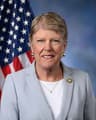
D· California
YRS IN OFFICE
13
BILLS LED
54
ACTION TIMELINE
2 EVENTSFEB 4
Introduced in House
FEB 4
Referred to the House Committee on Ways and Means.
BILL INFO
TypeHouse Bill
NumberHR 917
Congress119th
StatusIn Committee
IntroducedFeb 4, 2025
Last actionFeb 4, 2025
READER REACTIONS
OVERALL SENTIMENT
No reactions yet. Be the first to weigh in.
Discussion
Loading comments...
IN COMMITTEE· 119TH CONGRESS · WAYS AND MEANS COMMITTEE · INTRODUCED FEB 4, 2025
House BillHR 917Taxation
Mortgage Debt Tax Forgiveness Act of 2025
INTRODUCED FEB 4, 2025· LAST ACTION FEB 4, 2025
PASSAGE CHANCES
—%
READING
1 min
COSPONSORS
0
COMPLEXITY
Moderate