Bills · HR 897
IN COMMITTEE· 119TH CONGRESS
House BillHR 897Transportation and Public Works
Aviation-Impacted Communities Act
INTRO JAN 31· LAST ACTION FEB 1
READING
14MIN
COSPONSORS
16
READER REACTIONS0 TOTAL
NO VOTES YET · BE THE FIRST
- Introduced only
LEGISLATIVE PROGRESS
STEP 2 / 8Introduced
In Committee
Reported
Passed House
Passed Senate
Conference
To President
Became Law
WHAT THE BILL DOES
AI-writtenVoters should care about this bill because it aims to address a common quality-of-life issue for millions of Americans: persistent aircraft noise and its related impacts. If passed, it would broaden the eligibility for federal funds that can make homes quieter and improve living conditions in neighborhoods under flight paths. Currently, many communities feel unheard because their noise levels don't hit a specific, high-decibel mark, preventing them from accessing help. This bill acknowledges that even lower, but still disruptive, noise levels or other aviation impacts like pollution warrant attention.
This bill matters because it shifts the focus from a single, high noise threshold to a more comprehensive understanding of aviation impacts, including considering community input and specific geographical factors. If it becomes law, it could lead to more tailored and effective solutions for noise and pollution, and empower local residents through direct representation on community boards. If it doesn't pass, many aviation-impacted communities might continue to struggle with noise and pollution without access to federal mitigation funds or a formal platform to engage with airport authorities and the FAA on these issues, leading to ongoing frustration and potential health impacts.
KEY PROVISIONS
4AI-extractedPROVISION 01
Makes more communities eligible for federal money to reduce aircraft noise, even if their current noise levels are below the previous high threshold.
This expands support to communities that experience significant noise disruption but were previously excluded from funding.
PROVISION 02
Requires a comprehensive study by the National Academy of Sciences on global aviation impacts, focusing on noise, emissions, and flight paths in specific large airport regions.
This provides a scientific basis and new tools for understanding and addressing a wider range of aviation impacts beyond just noise.
PROVISION 03
Establishes a process for "aviation-impacted communities" to become officially "designated" and form local "community boards" composed of residents, officials, airport operators, and health/environmental representatives.
This empowers local residents and officials by giving them a direct, formal voice and platform to collaborate with the FAA and airports on local issues.
PROVISION 04
Requires the FAA Administrator to conduct outreach to inform state, regional, and local officials about the opportunity for their communities to be designated.
Ensures that eligible communities are aware of and can access the benefits provided by the bill.
SPONSORSHIP
1 + 16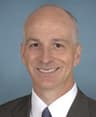
D· Washington
YRS IN OFFICE
29
BILLS LED
21
COSPONSOR BREAKDOWNBIPARTISAN · 0%
DEM 16 REP 0 IND 0
ACTION TIMELINE
3 EVENTSFEB 1
Referred to the Subcommittee on Aviation.
JAN 31
Introduced in House
JAN 31
Referred to the House Committee on Transportation and Infrastructure.
BILL INFO
TypeHouse Bill
NumberHR 897
Congress119th
StatusIn Committee
IntroducedJan 31, 2025
Last actionFeb 1, 2025
READER REACTIONS
OVERALL SENTIMENT
No reactions yet. Be the first to weigh in.
Discussion
Loading comments...
IN COMMITTEE· 119TH CONGRESS · TRANSPORTATION AND INFRASTRUCTURE COMMITTEE · INTRODUCED JAN 31, 2025
House BillHR 897Transportation and Public Works
Aviation-Impacted Communities Act
INTRODUCED JAN 31, 2025· LAST ACTION FEB 1, 2025
PASSAGE CHANCES
—%
READING
14 min
COSPONSORS
16
COMPLEXITY
Moderate