Bills · HR 8431
IN COMMITTEE· 119TH CONGRESS
House BillHR 8431Health
Third-Party Certification and Inspection Modernization Act of 2026
This bill allows domestic food companies to use certified private inspectors to meet safety standards and helps the FDA prioritize government inspections for higher-risk facilities.AI-written
INTRO APR 22· LAST ACTION APR 22
READING
5MIN
COSPONSORS
0
READER REACTIONS0 TOTAL
NO VOTES YET · BE THE FIRST
- Introduced only
tl;dr
AI-writtenExpands a program allowing private experts to conduct food safety audits for American companies, helping the FDA focus its government inspectors on the riskiest facilities while letting compliant businesses use private certifications to prove they are safe.
LEGISLATIVE PROGRESS
STEP 2 / 8Introduced
In Committee
Reported
Passed House
Passed Senate
Conference
To President
Became Law
WHAT THE BILL DOES
AI-writtenVoters should care because food safety affects everyone's daily life, and the FDA currently struggles to inspect every facility regularly due to budget and staffing limits. By allowing private companies to handle some of the auditing workload, the government can theoretically catch safety issues like salmonella or listeria faster before they lead to widespread outbreaks or recalls.
If this law passes, it could modernize a system that many experts say is currently stretched too thin. However, it also shifts some of the oversight responsibility into private hands. Whether this improves food safety or creates 'pay-to-pass' loopholes is a central part of the debate. If it doesn't pass, the FDA will continue to rely mostly on its own inspectors, which often results in long gaps between inspections for many food facilities.
KEY PROVISIONS
4AI-extractedPROVISION 01
Expands the third-party audit program to include domestic food facilities.
It allows U.S. companies to use the same certified private inspection system previously reserved mostly for foreign importers.
PROVISION 02
Requires the FDA to use third-party audit results to prioritize government inspections.
This helps the FDA focus its limited resources on the riskiest facilities while spending less time on those that have already passed certified private checks.
PROVISION 03
Sets a 2-year deadline for the FDA to establish a recognition system for accreditation bodies.
It forces the government to quickly create the rules for who is allowed to certify these private auditors.
PROVISION 04
Includes third-party certification status in the FDA's risk-based inspection scheduling.
It formalizes the process of giving 'credit' to companies that go through extra safety vetting.
SPONSORSHIP
1 + 0
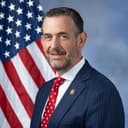
R· Ohio
YRS IN OFFICE
2
BILLS LED
21
ACTION TIMELINE
2 EVENTSAPR 22
Introduced in House
APR 22
Referred to the House Committee on Energy and Commerce.
BILL INFO
TypeHouse Bill
NumberHR 8431
Congress119th
StatusIn Committee
IntroducedApr 22, 2026
Last actionApr 22, 2026
READER REACTIONS
OVERALL SENTIMENT
No reactions yet. Be the first to weigh in.
Discussion
Loading comments...
IN COMMITTEE· 119TH CONGRESS · ENERGY AND COMMERCE COMMITTEE · INTRODUCED APR 22, 2026
House BillHR 8431Health
Third-Party Certification and Inspection Modernization Act of 2026
This bill allows domestic food companies to use certified private inspectors to meet safety standards and helps the FDA prioritize government inspections for higher-risk facilities.AI-written
INTRODUCED APR 22, 2026· LAST ACTION APR 22, 2026
PASSAGE CHANCES
—%
READING
5 min
COSPONSORS
0
COMPLEXITY
Moderate