Bills · HR 840
IN COMMITTEE· 119TH CONGRESS
House BillHR 840Environmental Protection
To provide that the final rule of the United States Fish and Wildlife Service titled "Endangered and Threatened Wildlife and Plants; Endangered Species Status With Critical Habitat for Guadalupe Fatmucket, Texas Fatmucket, Guadalupe Orb, Texas Pimpleback, Balcones Spike, and False Spike, and Threatened Species Status With Section 4(d) Rule and Critical Habitat for Texas Fawnsfoot" shall have no force or effect.
INTRO JAN 31· LAST ACTION JAN 31
READING
1MIN
COSPONSORS
2
READER REACTIONS0 TOTAL
NO VOTES YET · BE THE FIRST
- Introduced only
LEGISLATIVE PROGRESS
STEP 2 / 8Introduced
In Committee
Reported
Passed House
Passed Senate
Conference
To President
Became Law
WHAT THE BILL DOES
AI-writtenThis bill matters because it directly impacts how the federal government protects vulnerable wildlife species versus allowing for potentially unrestricted economic activities or land use. If this bill becomes law, it means that seven specific mussel species in Texas will not receive federal protection, and their crucial habitats will not be federally safeguarded. This could lead to a decline in their populations and potentially impact the overall health of the rivers and streams they inhabit.
For voters, this bill highlights a common tension between environmental conservation and economic development. If it passes, it signals a congressional override of an executive agency's scientific determination regarding species protection. If it doesn't pass, the Fish and Wildlife Service's rule would go into effect, leading to federal protections for these mussels and their habitats, which could introduce new regulations for certain activities in those areas.
KEY PROVISIONS
1AI-extractedPROVISION 01
This bill states that a specific final rule issued by the U.S. Fish and Wildlife Service shall have no legal standing or effect.
This provision directly overturns a federal decision to protect seven species of freshwater mussels in Texas, removing their endangered/threatened status and critical habitat designations.
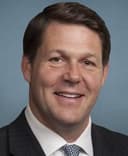
SPONSORSHIP
1 + 2
R· Texas
YRS IN OFFICE
9
BILLS LED
59
COSPONSOR BREAKDOWNBIPARTISAN · 0%
DEM 0 REP 2 IND 0
ACTION TIMELINE
2 EVENTSJAN 31
Introduced in House
JAN 31
Referred to the House Committee on Natural Resources.
BILL INFO
TypeHouse Bill
NumberHR 840
Congress119th
StatusIn Committee
IntroducedJan 31, 2025
Last actionJan 31, 2025
READER REACTIONS
OVERALL SENTIMENT
No reactions yet. Be the first to weigh in.
Discussion
Loading comments...
IN COMMITTEE· 119TH CONGRESS · NATURAL RESOURCES COMMITTEE · INTRODUCED JAN 31, 2025
House BillHR 840Environmental Protection
To provide that the final rule of the United States Fish and Wildlife Service titled "Endangered and Threatened Wildlife and Plants; Endangered Species Status With Critical Habitat for Guadalupe Fatmucket, Texas Fatmucket, Guadalupe Orb, Texas Pimpleback, Balcones Spike, and False Spike, and Threatened Species Status With Section 4(d) Rule and Critical Habitat for Texas Fawnsfoot" shall have no force or effect.
INTRODUCED JAN 31, 2025· LAST ACTION JAN 31, 2025
PASSAGE CHANCES
—%
READING
1 min
COSPONSORS
2
COMPLEXITY
Moderate