Bills · HR 8367
IN COMMITTEE· 119TH CONGRESS
House BillHR 8367Health
Answering the Call Act of 2026
This bill expands the national 9-8-8 suicide hotline to better serve firefighters, police officers, and EMTs by creating specialized training for counselors and launching outreach programs to help reduce the stigma around asking for help.AI-written
INTRO APR 20· LAST ACTION MAY 13
READING
3MIN
COSPONSORS
2
READER REACTIONS0 TOTAL
NO VOTES YET · BE THE FIRST
- Introduced only
tl;dr
AI-writtenDirects the national 9-8-8 suicide hotline to create specialized mental health resources and specialized counselor training for police, firefighters, and EMTs to address the high rates of trauma and suicide in those professions.
LEGISLATIVE PROGRESS
STEP 2 / 8Introduced
In Committee
Reported
Passed House
Passed Senate
Conference
To President
Became Law
WHAT THE BILL DOES
AI-writtenFirst responders are frequently exposed to high-stress, traumatic events, leading to higher rates of PTSD and suicide compared to the general population. Despite this, many are hesitant to use public mental health resources because they fear being seen as 'unfit for duty' or think the person on the other end of the phone won't understand what they do. This bill is a direct attempt to bridge that gap by making the national suicide hotline more culturally competent for the 'hero' professions.
If this becomes law, it could lead to a measurable decrease in first responder suicides by providing a trusted, specialized resource. Without it, first responders may continue to rely on informal or inconsistent local peer groups that might not always be available during a middle-of-the-night crisis.
KEY PROVISIONS
4AI-extractedPROVISION 01
Specialized Training for 9-8-8 Staff
It ensures that when a first responder calls for help, the person answering understands the specific trauma and 'on-the-job' language of emergency services.
PROVISION 02
Outreach and Awareness Grants
These fund public campaigns to reduce the stigma within police and fire departments regarding mental health treatment.
PROVISION 03
Anonymous Data Collection
This helps the government track whether the program is actually being used by first responders without compromising the caller's identity.
PROVISION 04
First Responder Collaboration Pilot Program
It forces federal health agencies and fire/police administrations to work together instead of operating in silos.
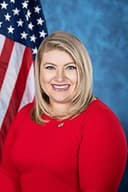
SPONSORSHIP
1 + 2
R· Florida
YRS IN OFFICE
5
BILLS LED
27
COSPONSOR BREAKDOWNBIPARTISAN · 0%
DEM 0 REP 2 IND 0
ACTION TIMELINE
4 EVENTSMAY 13
Sponsor introductory remarks on measure. (CR H3446)
APR 20
Introduced in House
APR 20
Referred to the House Committee on Energy and Commerce.
APR 20
Referred to the House Committee on Energy and Commerce.
BILL INFO
TypeHouse Bill
NumberHR 8367
Congress119th
StatusIn Committee
IntroducedApr 20, 2026
Last actionMay 13, 2026
READER REACTIONS
OVERALL SENTIMENT
No reactions yet. Be the first to weigh in.
Discussion
Loading comments...
IN COMMITTEE· 119TH CONGRESS · ENERGY AND COMMERCE COMMITTEE · INTRODUCED APR 20, 2026
House BillHR 8367Health
Answering the Call Act of 2026
This bill expands the national 9-8-8 suicide hotline to better serve firefighters, police officers, and EMTs by creating specialized training for counselors and launching outreach programs to help reduce the stigma around asking for help.AI-written
INTRODUCED APR 20, 2026· LAST ACTION MAY 13, 2026
PASSAGE CHANCES
—%
READING
3 min
COSPONSORS
2
COMPLEXITY
Moderate